
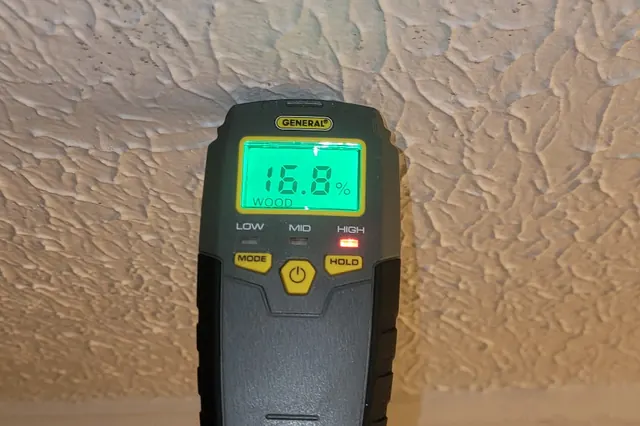
Mold Testing & Inspection
Air samples and a moisture check find hidden mold in walls, attics and ducts, with lab-backed results.
Learn more →Air Quality Specialists · 4.9★ 501 Google Reviews
Mold in your house is a moisture problem first. Here is how to spot it, confirm it, remove it safely and keep it from coming back.

Mold in a house almost always means a moisture problem: a leak, high humidity or poor airflow. Look for musty smells, spots on ceilings, walls or vents, and water stains. Small patches on hard surfaces can be cleaned; anything larger than about 10 square feet, inside walls or in the HVAC system needs testing and professional remediation.
Mold spores float in every home and grow when they land on something damp, like drywall paper, wood, dust or carpet. The University of Georgia Extension puts it simply in its 2023 Mold and Moisture Home Inspection Checklist: mold spores need only a comfortable environment, food and moisture to grow. You cannot take away the food or the temperature in a lived-in house. You can take away the water.
That is why the EPA, in A Brief Guide to Mold, Moisture and Your Home, says the key to mold control is moisture control. In the homes we inspect, the water almost always comes from one of six places:
Georgia gives mold a head start. Our summers are long and humid, so the air itself carries a lot of water for months at a time. Many homes in Gwinnett, Forsyth and North Fulton sit on vented crawl spaces over red clay that holds water after every rain, and that damp air rises into the floors above. Many also run ductwork through hot attics, where cold supply ducts sweat in summer.
In a lot of the North Atlanta homes we inspect, the mold the homeowner noticed is not the first mold in the house. It is just the first spot they could see. The source is usually one level down in the crawl space or one level up in the attic. If humidity is the root cause, a whole-house or crawl space dehumidifier that holds 45 to 50 percent does more than any amount of scrubbing.
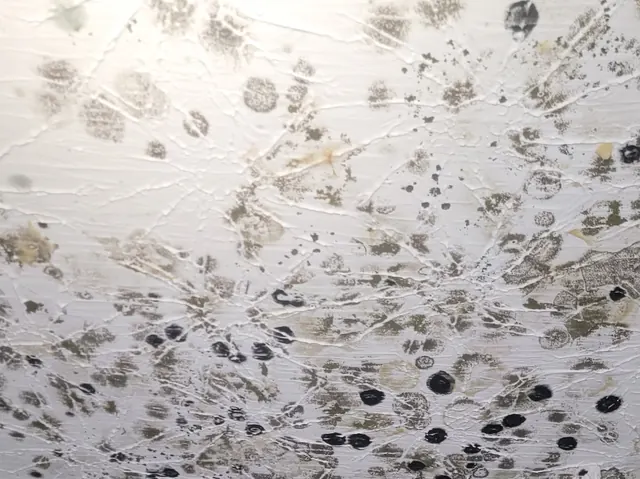
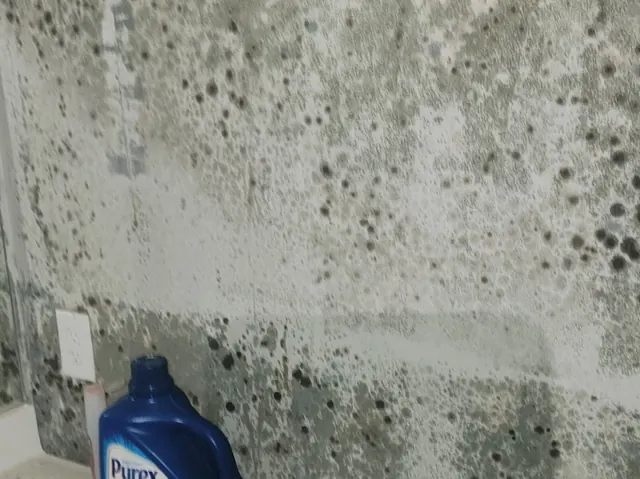
Mold does not always show itself as a black patch. The CDC notes that mold can look like spots of many different colors and can smell musty. These are the 10 signs of mold in a house we see most often:
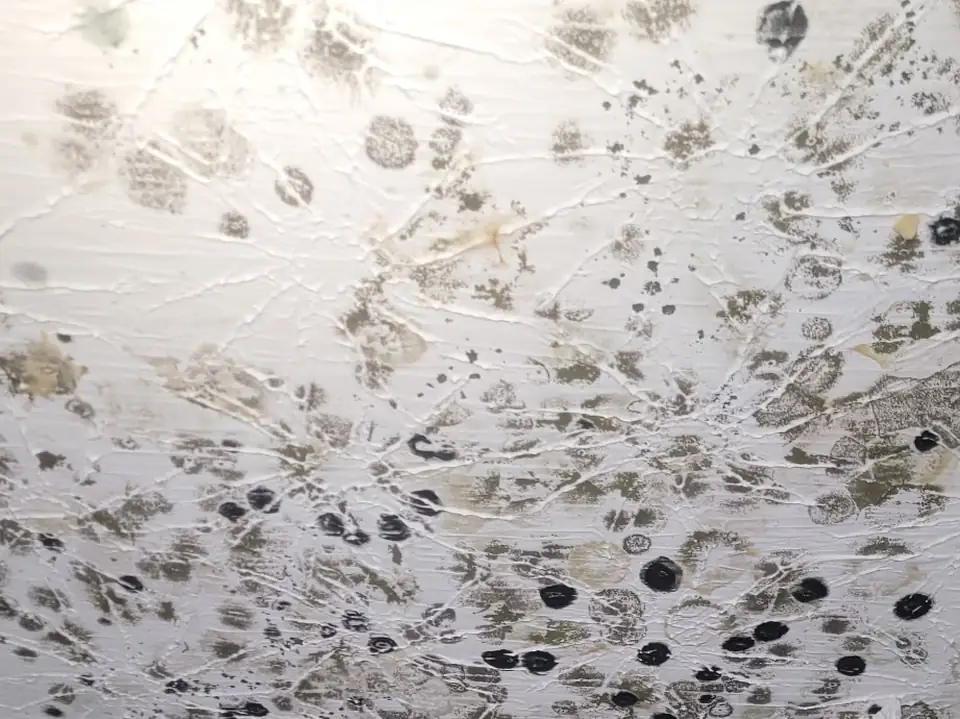
For a full walk-through of each one, read our guide to the signs of mold in your house, and if the smell is your main clue, start with how to find the source of a mold smell.
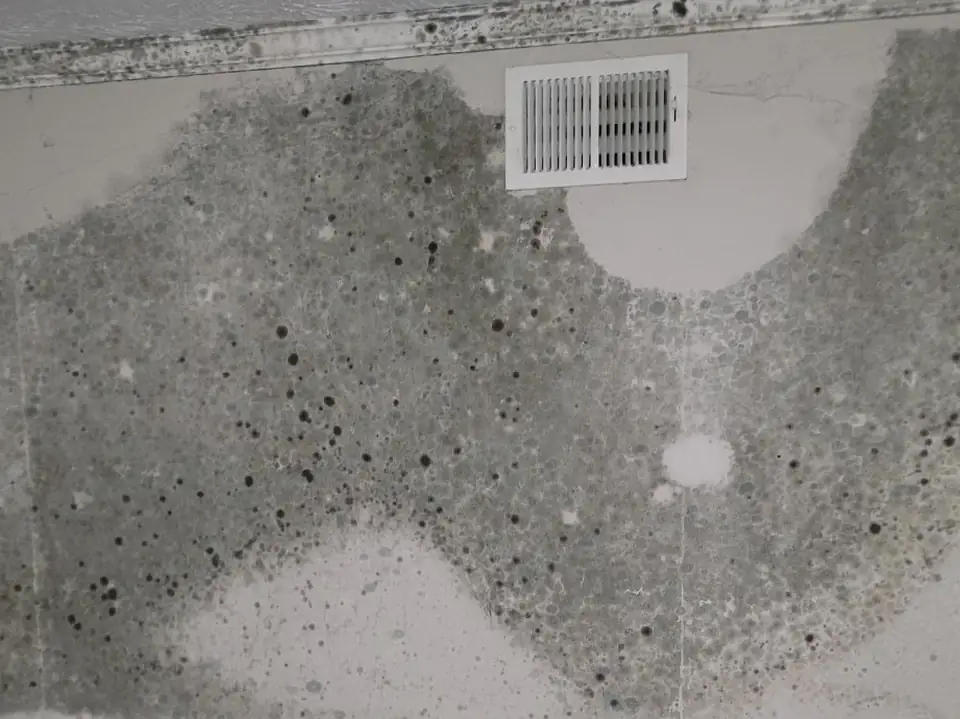
Pay close attention to mold around vents and windows. Mold there usually points to condensation, a window leak or moisture moving through the duct system.
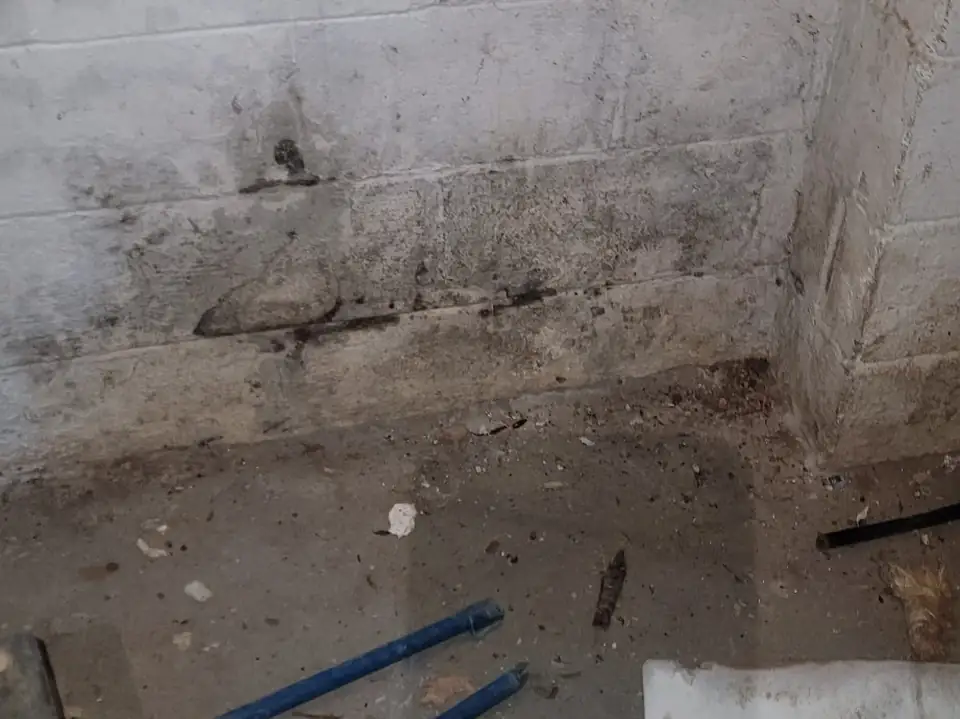
The EPA lists the back side of drywall, wallpaper and paneling, the underside of carpets and pads, and the inside of ductwork as places mold can hide. Here is where we find it most in North Atlanta homes, what you will notice, what usually causes it and who should fix it.
| Location | What you notice | What usually causes it | Who fixes it |
|---|---|---|---|
| Bathroom ceiling | Gray or black speckles above the shower, peeling paint | No exhaust fan or a fan too weak to clear steam | Small spots: you. Recurring or spreading: a pro, plus a fan fix |
| Attic | Dark staining on roof decking, damp insulation, musty smell upstairs | Roof leaks, bath fans venting into the attic, sweating ducts | Mold remediation and the moisture source repaired |
| Crawl space | Damp smell, wet block walls, mold on joists | Vented crawl space, wet soil, no vapor barrier | Mold remediation, then encapsulation or a dehumidifier |
| Basement | Musty smell, white or dark growth on walls, damp stored boxes | Ground moisture, condensation on cool walls | Cleanup plus humidity control |
| Closets and exterior walls | Spots on ceilings and back walls, mildewed clothes | Cold walls, poor airflow, high humidity | Testing to find the moisture, then cleanup |
| Behind drywall after a leak | Stains, soft drywall, smell with no visible mold | Leak that was not fully dried | Inspection with moisture readings, then remediation |
| HVAC ducts and air handler | Smell when the system runs, spots at vents | Condensation at the coil, damp ducts in the attic or crawl space | A pro. Do not run a system you suspect has mold |
| Under carpet | Musty smell in one room, damp pad, stains | Spills, pet accidents, slab or subfloor moisture | Removal of moldy pad and carpet, drying |
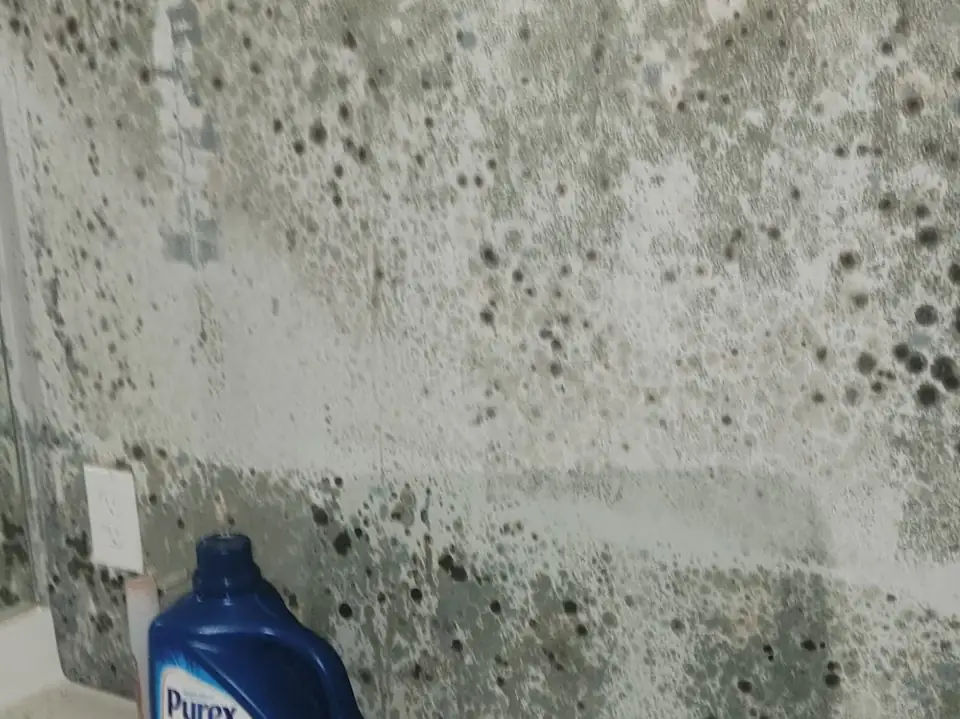
Bathrooms are the most common place homeowners spot mold first, and the most common place it keeps coming back. Our guide to mold on the bathroom ceiling explains why. Attics are a close second in our area, covered in mold in the attic.
Mold in the HVAC system deserves its own warning. The EPA says not to run the HVAC system if you know or suspect it is contaminated with mold, because running it could spread mold through the house. If you see spots around several vents or smell mustiness every time the system starts, read mold in air ducts and have it checked before you keep running it. After the moisture is fixed, duct sanitizing cleans and deodorizes the lines.
Mildew is a type of mold that stays on the surface. People use the word for the light, powdery growth on shower grout, window sills and fabric. Mold is the broader name, and it is the growth that roots into soft materials like drywall, wood and carpet. Here is how to tell them apart at a glance:
| Mildew | Mold | |
|---|---|---|
| Look | Flat, powdery or downy | Fuzzy, slimy or raised, often in spreading patches |
| Color | Usually white or gray, can turn yellow or brown | Black, green, gray, white, brown, even pink or orange |
| Surface | Grout, tile, window sills, fabric | Drywall, wood, ceiling tile, insulation, carpet, ducts |
| How deep it goes | Stays on top | Can grow into and behind materials |
| Can you clean it yourself? | Usually yes, with detergent and water | Small areas on hard surfaces, yes. Large or hidden growth needs a pro |
"Black mold" is the name people give to any dark mold. The CDC describes Stachybotrys chartarum, the mold most people mean, as a greenish-black mold. But plenty of common molds are dark too, so color alone cannot tell you the type.
The more useful point is this: the CDC says all molds should be treated the same with respect to potential health risks and removal, and that no matter what type of mold is present, you need to remove it. If mold is growing inside your home, remove it and fix the moisture that let it grow.
On health, we stick to what the EPA and CDC say. The EPA notes that allergic reactions to mold are common and that mold can cause asthma attacks in people with asthma who are allergic to mold. The CDC says damp and moldy homes may cause a variety of health effects, or none at all, and that people with asthma or mold allergies may react more strongly. If anyone in your home has health concerns, talk with a doctor, and let us know before we start so we can plan the work around them.
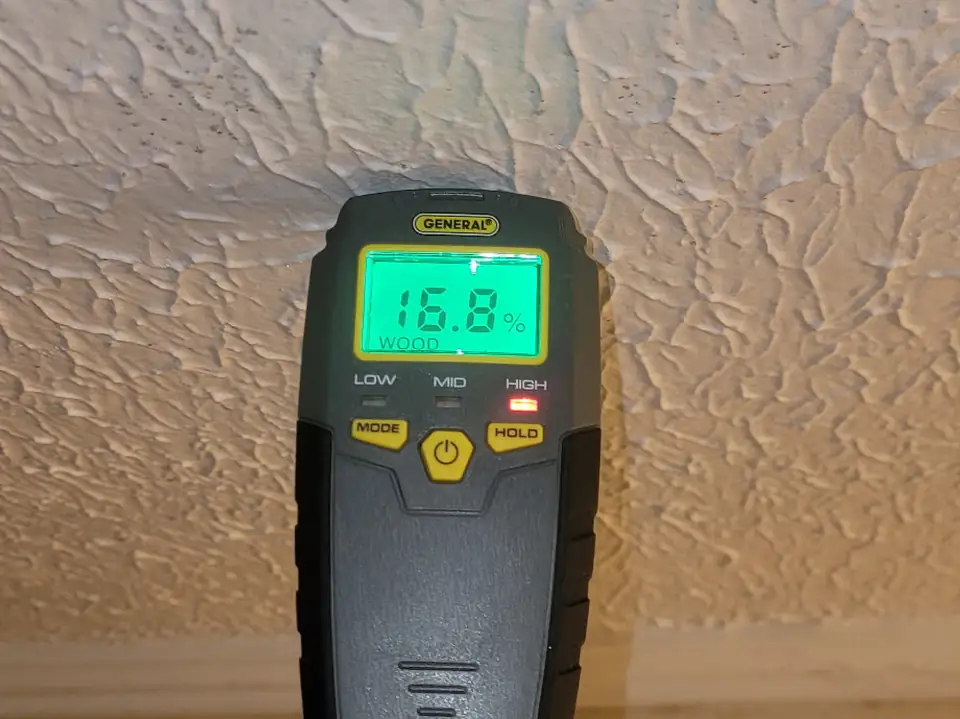
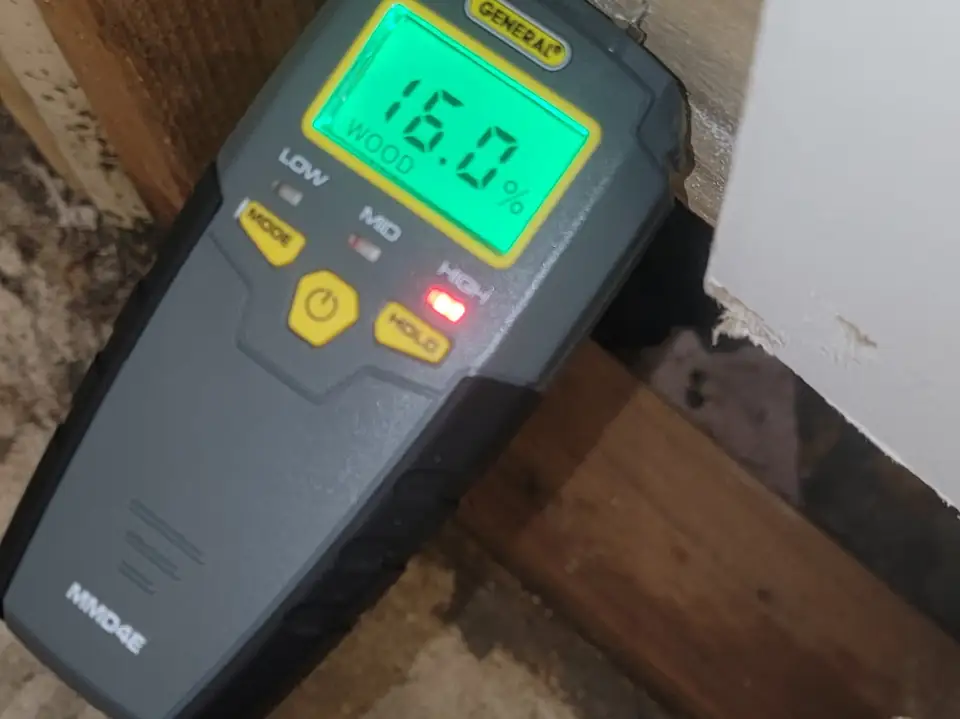
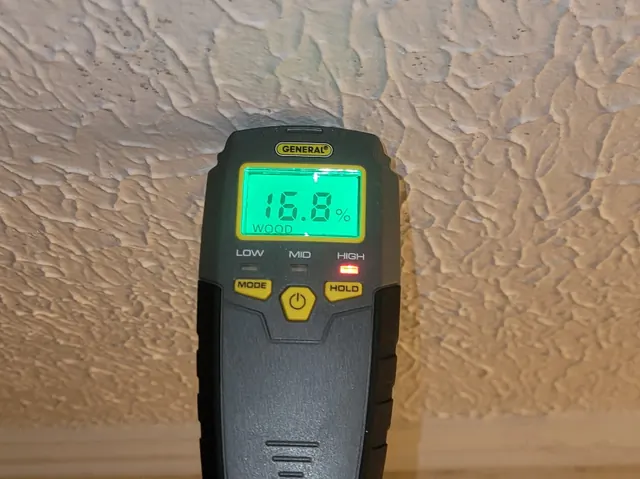
A mold inspection finds the moisture and the growth. We look at ceilings, walls, windows, closets, the crawl space or basement, the attic where we can reach it, and the vents and air handler. We take moisture meter readings on the materials themselves, because a wall can look dry and read wet.
Mold testing takes samples. Air or surface samples help when mold is suspected but not visible: a musty smell with no spots, a past leak inside a wall, a family member reacting to one room, or a home sale where a buyer or seller wants it in writing.
Here is the honest part. The EPA says that in most cases, if visible mold growth is present, sampling is unnecessary. If you can see it, you already know it is there, and what you need is an inspection that finds the moisture and maps how far it spreads. Testing earns its place when the question is "is there mold I cannot see?"
The moisture meter is the tool that answers the question most homeowners actually have, which is "why is this happening?" A reading on a ceiling joist or a wall cavity tells us whether a leak is still active or old and dry, and whether the problem is a leak, condensation or humidity. That decides the fix. Cleaning mold without that answer is how it comes back.
Our mold testing and inspection covers both, and we are open 24/7 with same-day appointments. To see what goes into it, read how to test for mold in your house and our side-by-side guide to mold testing vs mold inspection. If you also want to know what else is in the air, air quality testing measures particles, humidity, VOCs and CO2.
How to get rid of mold in a house depends on how much there is, what it is growing on and where. Every job, big or small, has the same two parts: remove the mold and fix the water.
The EPA says that if the moldy area is less than about 10 square feet, roughly a 3 foot by 3 foot patch, you can usually handle the cleanup yourself. That applies to hard surfaces like tile, glass, sealed wood and painted trim.
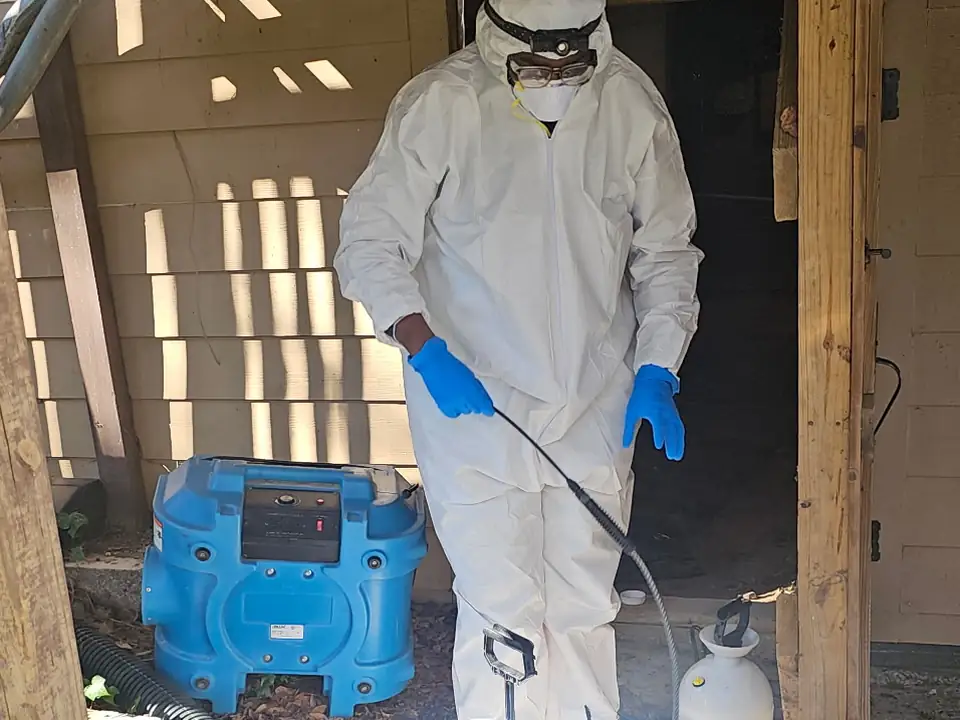
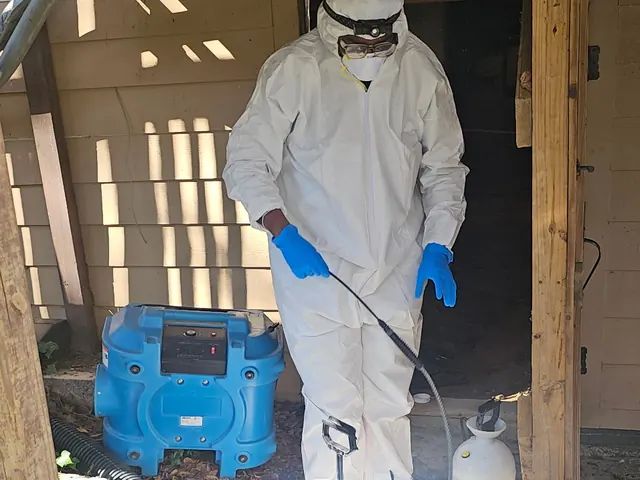
Our mold remediation follows the same steps every time:
Mold comes back when the moisture comes back. The EPA notes that a background level of mold spores will always remain in a home, but those spores will not grow if the moisture problem has been resolved. Prevention is about keeping things dry.
Humidity changes with the seasons here. Summer brings damp outside air, and winter brings cold walls and windows that collect condensation. Our guide to indoor humidity in Georgia covers the right level for each season. For cleaner air on top of dry air, UV lights and whole-home air purifiers help keep the coil and the air moving through it clean.
We are a locally owned air quality company in Suwanee, serving North Atlanta since 2016. One call covers the whole path, from finding the mold to keeping it gone:
We are NADCA and IICRC certified, open 24 hours a day, 7 days a week, and rated 4.9 stars from 501 Google reviews. Every job is a flat rate quoted up front with no hidden fees, backed by 100% satisfaction or your money back.
Seeing spots, smelling something musty or just had a leak? Call (678) 609-8713 or book a free estimate and we can often be there the same day.
Real Jobs, Real Photos
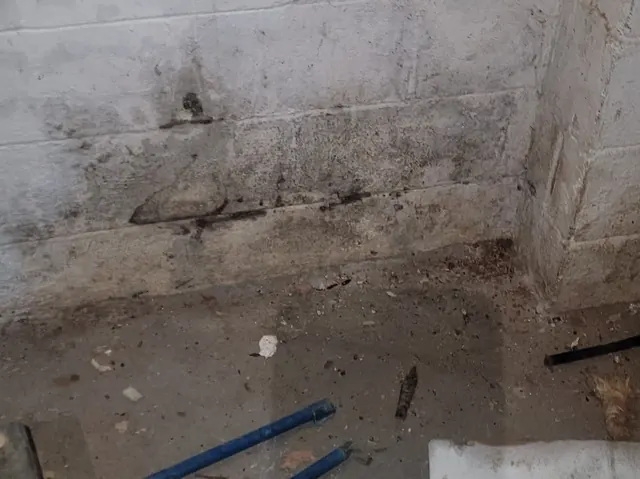
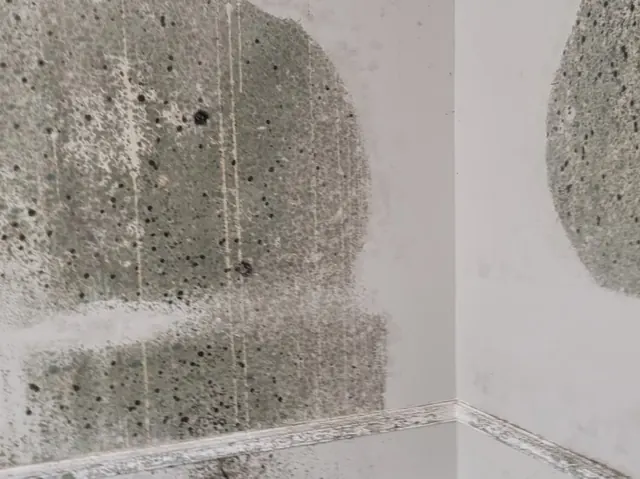
Free estimate with any service. Flat rates quoted up front. No hidden fees.
Real Google Reviews
Fresh Cleaning’s Solution came to my home to fix my mold issue , and I couldn’t be more impressed! They were extremely professional, fast, and efficient from start to finish. Deandre was especially friendly and helpful he explained everything clearly and got the job done quickly without cutting any corners. I highly recommend Fresh Cleaning’s Solution to anyone looking for reliable and top-quality service! My breathing has never been better!
He called when he left his place to give me expected arrival time. He was on time. He was professional and friendly. He was respectful of my privacy asked nicely if it was ok to come in and when he entered any room. Very pleasant person. He also gave me lots of tips about what to do in order to have best results and no condensation and no mold!
I was informed I needed my air ducts cleaned and Fresh Cleaning Solutions was recommended to me. I was very impressed with the services provided. He did a fabulous job and even suggested a few things I could do to prevent any future mold issues. I will be using this company again and encourage you to do the same.
Related Services
Air samples and a moisture check find hidden mold in walls, attics and ducts, with lab-backed results.
Learn more →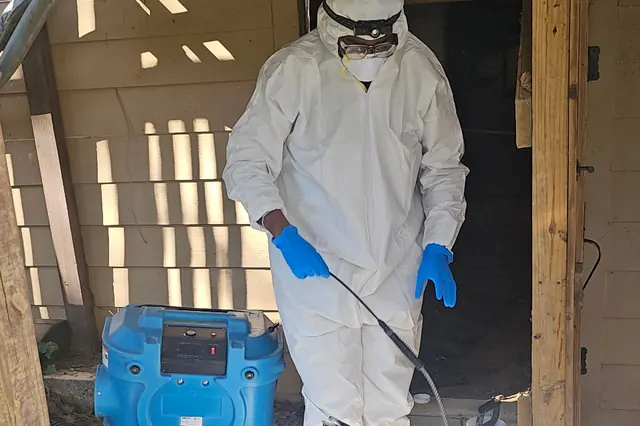
Contained, HEPA-filtered removal of mold growth, and the moisture behind it fixed so it stays gone.
Learn more →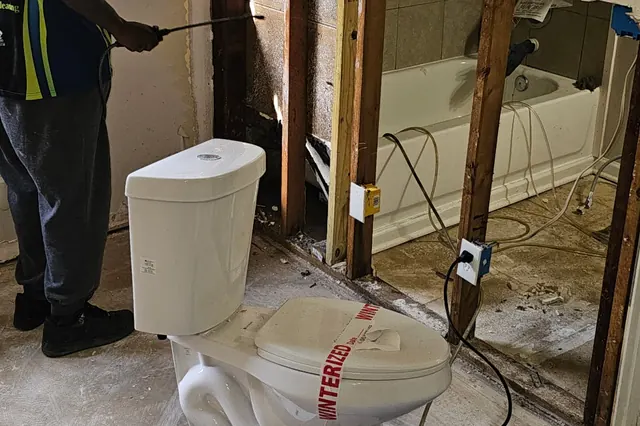
24/7 water extraction and drying that stops wet floors and walls from turning into mold.
Learn more →FAQ
Because something is wet. Mold spores are in every home, and they grow when they land on a damp surface. The usual causes are leaks, humidity over 50 to 60 percent, condensation on cold walls and windows, a damp crawl space, poor bathroom ventilation or old water damage that never fully dried.
Yes. The EPA lists the back side of drywall, wallpaper and paneling as places mold can hide. It usually follows a plumbing leak, roof leak or condensation inside the wall. Stains, soft drywall, bubbling paint or a musty smell with no visible spots are the clues. Moisture meter readings show where the wall is wet.
Mildew is a surface mold. It is flat, powdery and usually white or gray, and it grows on grout, sills and fabric. Mold is fuzzy or slimy, comes in many colors and can grow into drywall, wood and carpet. Mildew usually wipes off with detergent. Mold that keeps returning needs its moisture source found.
Watch for a musty smell that starts when the AC or heat comes on, dark spots on ceilings or walls around supply vents, and growth you can see inside a vent cover. The EPA says not to run the HVAC system if you suspect it has mold. Have the system inspected before you keep using it.
The EPA says allergic reactions to mold are common and mold can trigger asthma attacks in people with asthma who are allergic to it. The CDC says damp, moldy homes may cause a variety of health effects, or none at all. If anyone has health concerns, talk with a doctor and get the mold removed.
Often, yes. The EPA says you can usually clean an area under about 10 square feet yourself. Fix the water first, wear an N-95 respirator, long gloves and goggles, scrub hard surfaces with detergent and water and dry them fully. Larger areas, mold inside walls, in the HVAC system or after sewage need a professional.
Fast. The EPA says water-damaged areas and items should be dried within 24 to 48 hours to prevent mold growth. Drywall, carpet pad and insulation can hold water long after the surface feels dry, so a leak that seems handled can still grow mold. Moisture readings confirm the materials are truly dry.
The EPA does not recommend bleach as a routine practice during mold cleanup. Scrubbing hard surfaces with detergent and water and fixing the moisture works better, because spores will not grow once the area stays dry. If you do use bleach, ventilate well and never mix it with ammonia, which can produce toxic fumes.
Usually not. The EPA says that in most cases, if visible mold growth is present, sampling is unnecessary. What you need is an inspection that finds the moisture feeding it and shows how far it spreads. Testing helps when you smell mold but cannot see it, after a hidden leak or for a home sale.
Keep indoor humidity at 45 to 50 percent with a whole-house or crawl space dehumidifier, since AC alone often falls short in a Georgia summer. Dry any leak within 24 to 48 hours, run bath fans, vent the dryer outside, keep gutters clear and seal or encapsulate a damp crawl space.
More answers in our homeowner FAQ and air quality glossary.
Book Online
Tell us your ZIP and what you need. We call back fast with your flat-rate quote, usually the same day.