
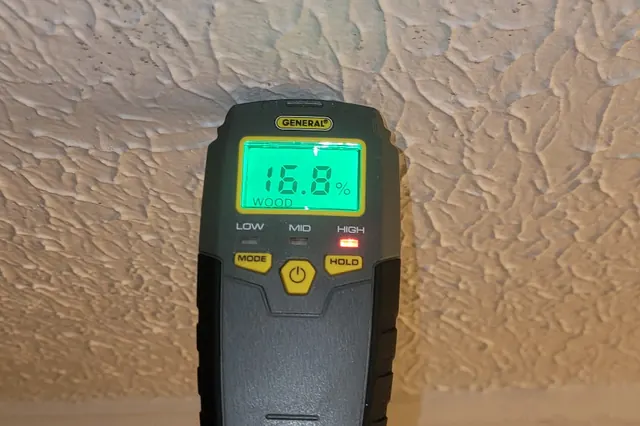
Mold Testing & Inspection
Air samples and a moisture check find hidden mold in walls, attics and ducts, with lab-backed results.
Learn more →Air Quality Guide · November 24, 2026
A musty blast when the system kicks on is the most common clue. Here is how to spot mold in your ducts, what causes it in Georgia homes and the right order to fix it.
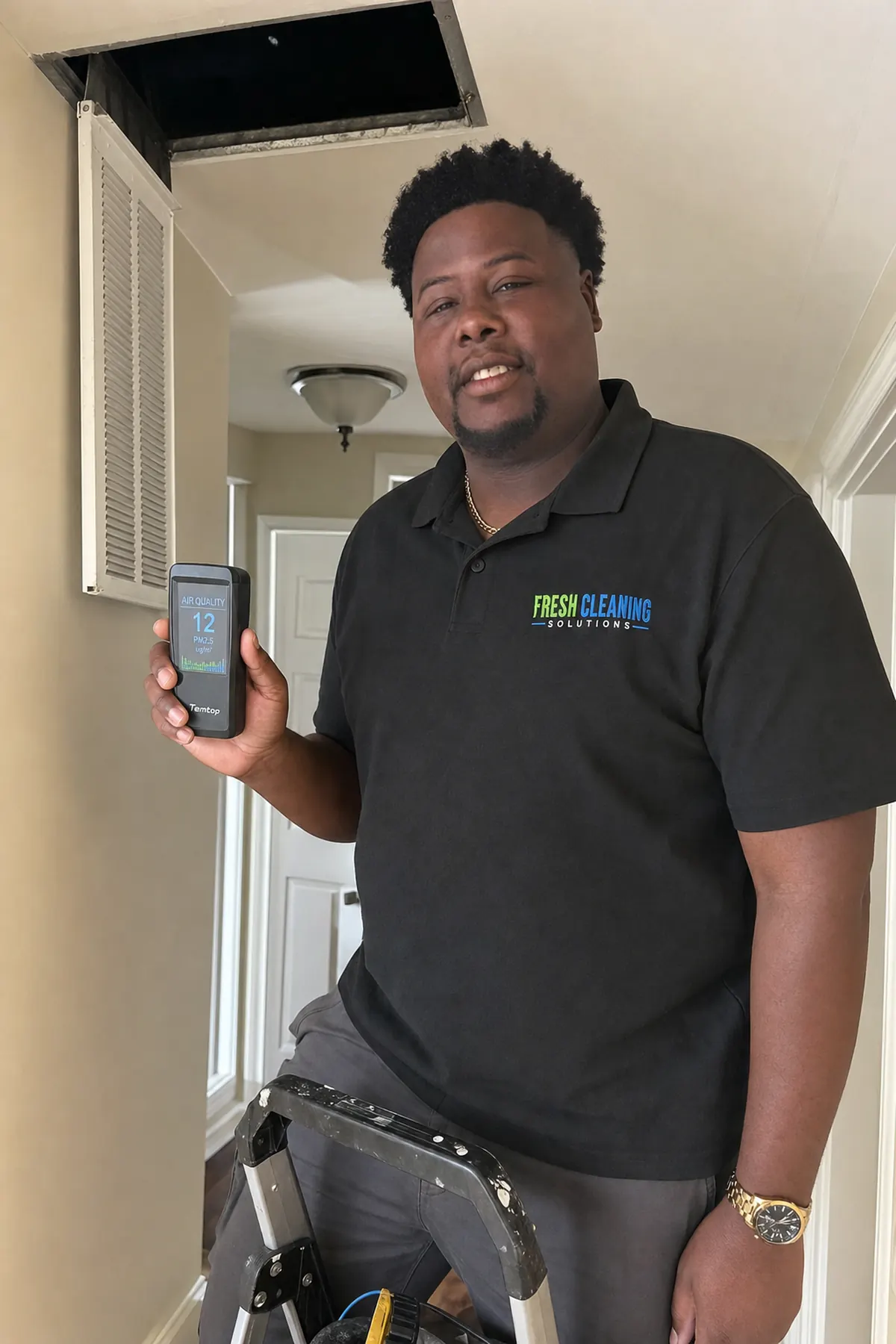
By David ThrowerOwner, Fresh Cleaning Solutions · NADCA certified · Suwanee, GA since 2016

Key Takeaways
Mold in air ducts usually shows itself through smell first: a musty, earthy odor that gets stronger when the heat or AC turns on. Visible dark spotting on vent covers, dust that looks fuzzy or clumped, and allergy symptoms that ease when you leave the house are the other big clues.
The trouble is that most of the duct system is hidden. The U.S. EPA makes this point directly in its guide Should You Have the Air Ducts in Your Home Cleaned?, last updated on its site in February 2026: many sections of a heating and cooling system cannot be seen without taking parts off. So you are often working from signs, not a clear view.
Here are the signs we take seriously:
Health signs matter here. In its 2024 page Mold, the CDC says mold can cause a stuffy nose, sore throat, coughing or wheezing, burning eyes or skin rash in some people. It also says people with asthma or mold allergies may have severe reactions. When those symptoms line up with a musty system, that is a strong signal.
In a lot of North Atlanta homes we see, the first complaint is not a sighting. It is "the house smells like a basement every time the heat comes on." That smell is worth chasing, and our guide on why a house smells musty when the heat comes on covers the other causes to rule out.
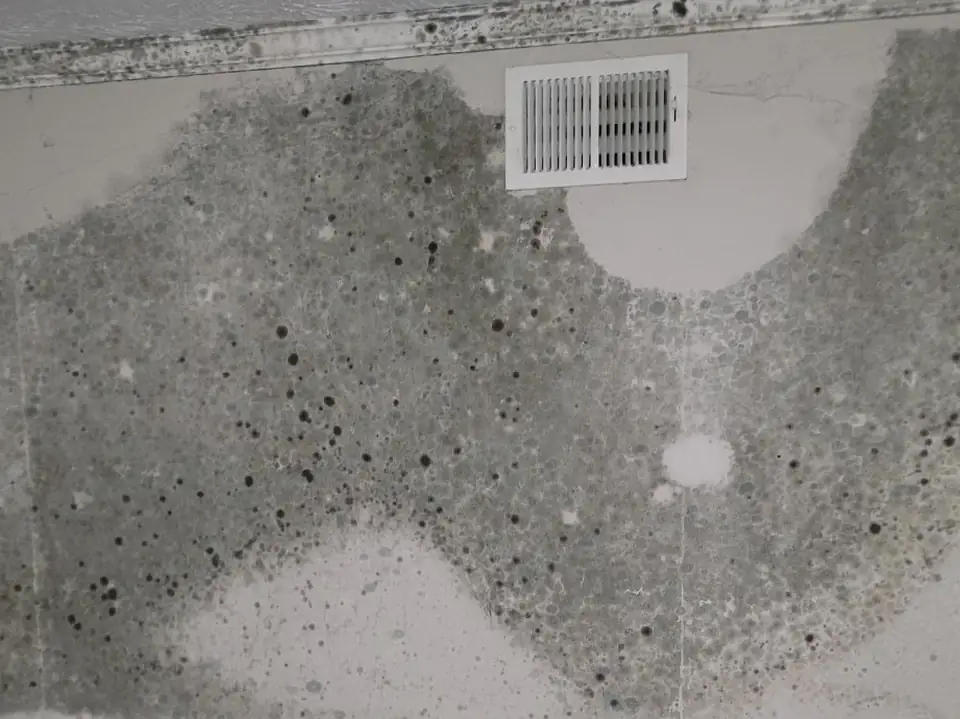
Start with the complete guide: mold in your house, how to spot it, test it and get rid of it.
Moisture causes mold in ducts, every time. The EPA's air duct guide says moisture can enter ducts through leaks or improper installation or service, and it names condensation near the cooling coil as a major contributor. Mold spores are already in the air. Add water and a little dust to feed on, and growth follows.
The most common moisture sources we find:
Our climate does the rest. Long, humid Georgia summers mean the AC runs for months, and the coil stays wet the whole time. A lot of Gwinnett and Forsyth homes have ductwork in vented crawl spaces over red clay, or in attics that bake in July. Both places hold damp, warm air around the ducts.
Here is a pattern people miss. Mold that started during the cooling season often goes unnoticed until heating season. When the furnace pushes warm air across ducts that stayed damp all summer, the smell finally reaches the living space. So a "new" November smell is usually an old summer problem.
The EPA puts it plainly in its 2026 duct guide: controlling moisture is the most effective way to prevent biological growth in all types of air ducts. Cleaning without fixing the water source just resets the clock. If your crawl space is the source, look at a crawl space dehumidifier that holds humidity in the 45 to 50% range.
For many people, yes, it can affect breathing and comfort. In its 2004 report Damp Indoor Spaces and Health, the Institute of Medicine (published by the National Academies Press) found sufficient evidence linking damp indoor spaces to upper respiratory symptoms, coughing, wheezing and asthma symptoms in sensitive people.
Ducts make it worse than a spot on a wall. A moldy patch behind a bathroom vanity stays put. A moldy duct sits inside the system that moves air through every room, many times a day. The CDC's 2024 guidance adds that people with weakened immune systems or chronic lung disease can get lung infections from mold.
One more point from the EPA's Brief Guide to Mold, Moisture and Your Home: do not run the HVAC system if you know or suspect it is contaminated with mold. Running it keeps moving spores through the house while you sort out a plan.
Stop, confirm, fix the moisture, then clean. That order matters. The EPA's duct guide says something that looks like mold may need lab analysis for final confirmation, and only an expert can make a positive determination. Guessing wrong in either direction costs you time.
Not every duct can be saved. The EPA states that if insulated ducts get wet or moldy, the insulation cannot be effectively cleaned and should be removed and replaced. It also notes that no products are currently registered by EPA as biocides for fiberglass duct board or fiberglass-lined ducts. Bare sheet metal is different and can be cleaned and sanitized.
| Duct type | If mold is found |
|---|---|
| Bare sheet metal (hard surface) | Clean with HEPA negative air and brushes, then apply an EPA-registered sanitizer |
| Fiberglass duct board or lined duct | EPA says wet or moldy insulation cannot be effectively cleaned; remove and replace the affected section |
| Flex duct with wet insulation | Replace the affected run, then fix the moisture source |
That table is why we confirm first. A homeowner who sprays a store-bought product into a fiberglass-lined return has not solved anything, and may have added moisture. The EPA also warns against steam cleaning and other moisture-based methods on any ductwork.
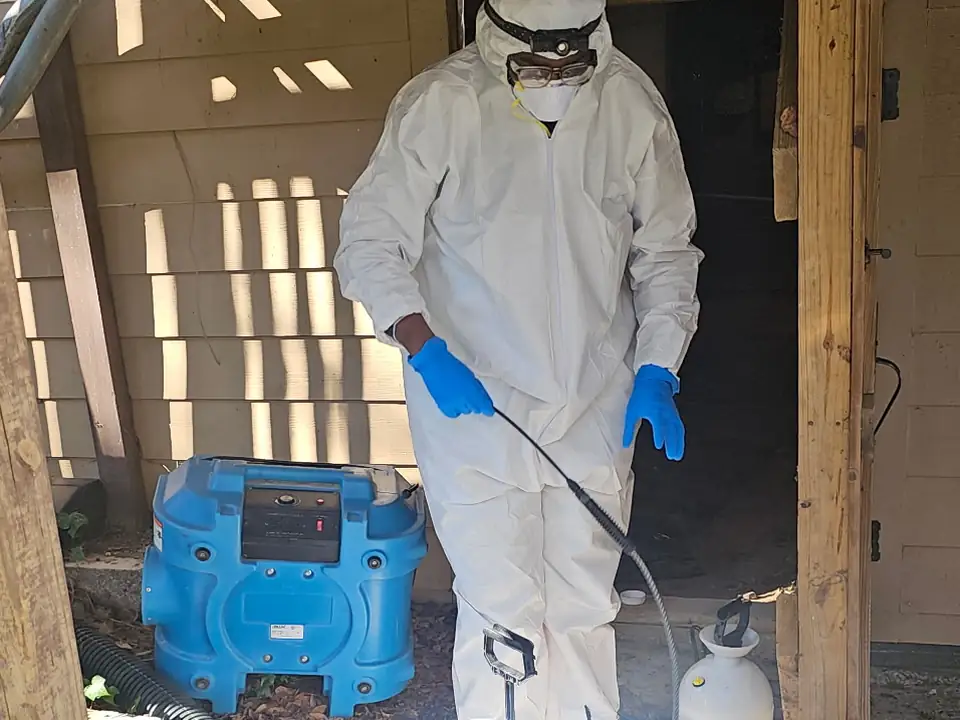
You can wipe a small spot off a vent cover, but you cannot reach the system. The EPA's moisture guide says a homeowner can often handle mold under about 10 square feet, roughly a 3 by 3 foot patch. A duct system is hundreds of feet of hidden surface, so that rule rarely fits.
What you can safely do:
What you should not do is fog a bleach mix through the vents or run a shop vac up a supply line. Neither removes growth from inside the system, and both can stir spores into the house. A professional cleaning reaches every supply and return line instead.
Keep the ducts dry and the house between 30 and 50 percent humidity, the range the EPA recommends. That single habit does more than any treatment. Then keep the system clean enough that dust does not give mold a place to feed.
Fresh Cleaning Solutions has handled mold, ducts and moisture across Gwinnett, Forsyth, North Fulton and nearby counties since 2016. We are NADCA certified, quote a flat rate up front with no hidden fees.
Smell something musty at the vents? Call (678) 609-8713, open 24 hours a day, or book a free estimate and we will find out what is in your ducts.
Free estimate with any service. Flat rates quoted up front. No hidden fees.
FAQ
It smells musty and earthy, a lot like a damp basement or old wet towels. The smell is usually strongest in the first minute after the heat or AC starts, because the blower pushes air across the damp surfaces where growth is. If the smell comes and goes with the system, the ducts or the air handler are the likely source.
Yes. The U.S. EPA's guide A Brief Guide to Mold, Moisture and Your Home says not to run the HVAC system if you know or suspect it is contaminated with mold. Running it moves spores through every room. Turn it off, get the system checked and fix the moisture before you start it back up.
It can for many people. The CDC says mold can cause a stuffy nose, sore throat, coughing, wheezing, burning eyes or a skin rash, and that people with asthma or mold allergies may have severe reactions. Because ducts move air through every room, mold there reaches more of the house than a single wall spot.
It depends on the duct. The EPA says substantial mold in hard surface ducts like sheet metal is a reason to clean them, but wet or moldy insulation in duct board or lined duct cannot be effectively cleaned and should be removed and replaced. A mold inspection tells you which kind you have before any work starts.
Control moisture. Keep indoor humidity between 30 and 50 percent, the EPA's ideal range, keep the condensate drain clear, dry the crawl space and clean the coil. In humid North Atlanta summers, a whole-house or crawl space dehumidifier holding 45 to 50 percent does most of the work.
Related Services
Air samples and a moisture check find hidden mold in walls, attics and ducts, with lab-backed results.
Learn more →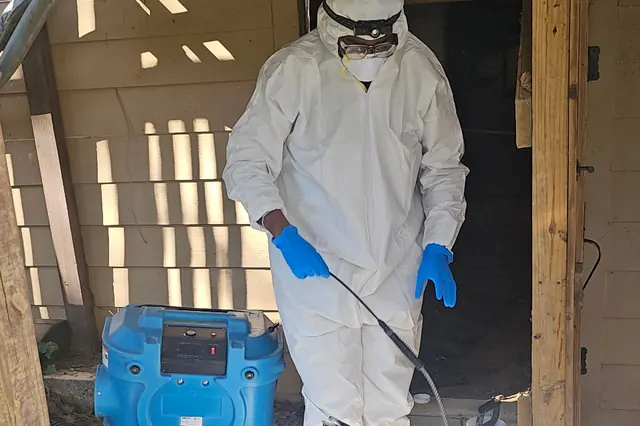
Contained, HEPA-filtered removal of mold growth, and the moisture behind it fixed so it stays gone.
Learn more →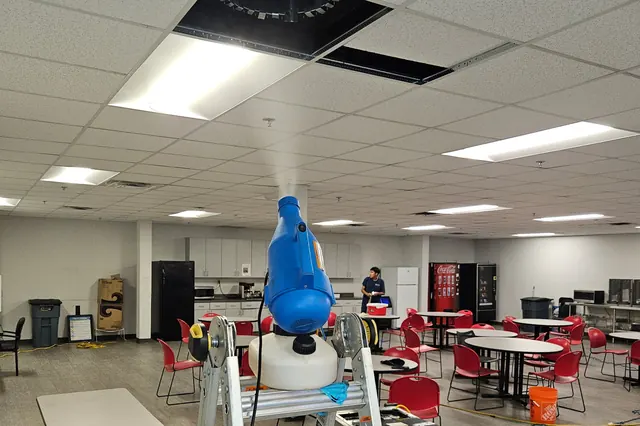
EPA-registered sanitizer fogged through the system for pet, smoke and musty odors.
Learn more →Keep Reading
November 14, 2026
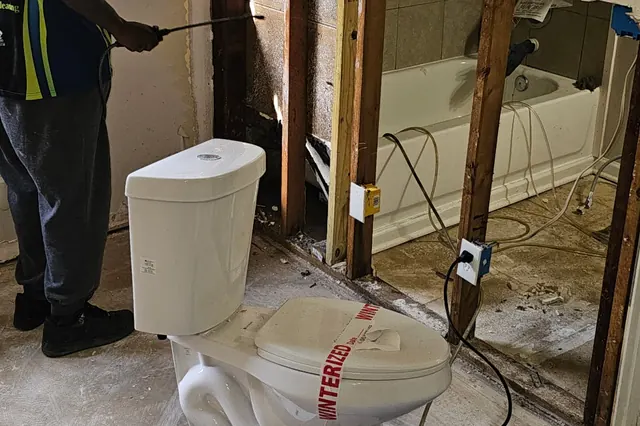
Water damage on the ceiling? Stop the source, protect the room and dry it fast. EPA says to dry water-damaged areas within 24 to 48 hours to prevent mold.
Read the guide →November 10, 2026
Musty smell in your house when the heat kicks on? The EPA says to keep indoor humidity under 60%. Learn the real causes in Georgia homes and how to fix them.
Read the guide →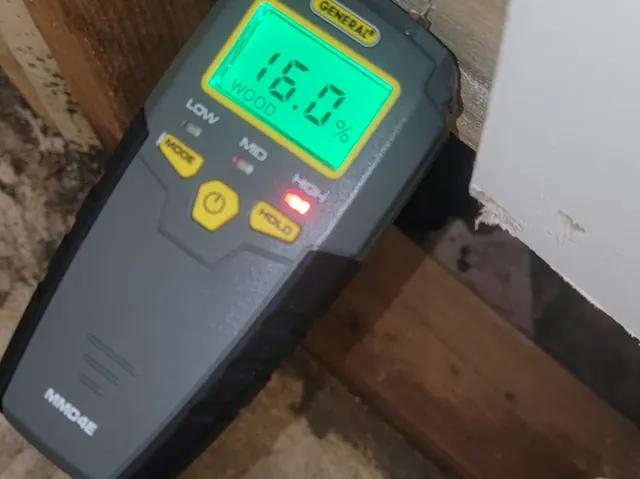
November 7, 2026
A mold smell in your house means moisture is feeding growth somewhere. The EPA says dry wet areas within 24 to 48 hours. Here is how to track the source.
Read the guide →Book Online
Tell us your ZIP and what you need. We call back fast with your flat-rate quote, usually the same day.