
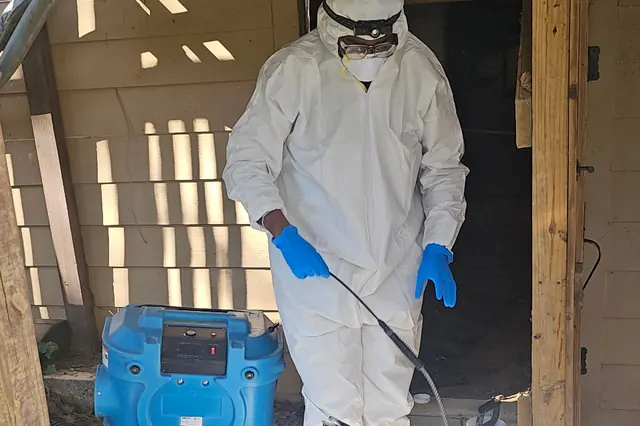
Mold Remediation
Contained, HEPA-filtered removal of mold growth, and the moisture behind it fixed so it stays gone.
Learn more →Air Quality Guide · October 31, 2026
Mold on a bathroom ceiling comes back when the moisture that fed it never leaves. Here is how to remove it safely and fix the real cause.
By David ThrowerOwner, Fresh Cleaning Solutions · NADCA certified · Suwanee, GA since 2016

Key Takeaways
Mold on a bathroom ceiling keeps growing because warm shower steam rises, hits the cooler ceiling and condenses into a thin film of water that never fully dries. Wipe the spots away without fixing that moisture and they come back in the same place within weeks.
The EPA says it plainly in A Brief Guide to Mold, Moisture and Your Home: the key to mold control is moisture control. The same guide tells homeowners to run the bathroom fan or open the window when showering. The CDC's Mold page adds that exhaust fans in kitchens and bathrooms should vent to the outside of your home.
The ceiling is the worst spot in the room for this. Steam collects there first, and it is the last surface to dry after everyone is done. Corners above the shower and the area right around the fan grille usually show spots first. Painted drywall also holds a little moisture, so growth can sit just under a thin layer of paint.
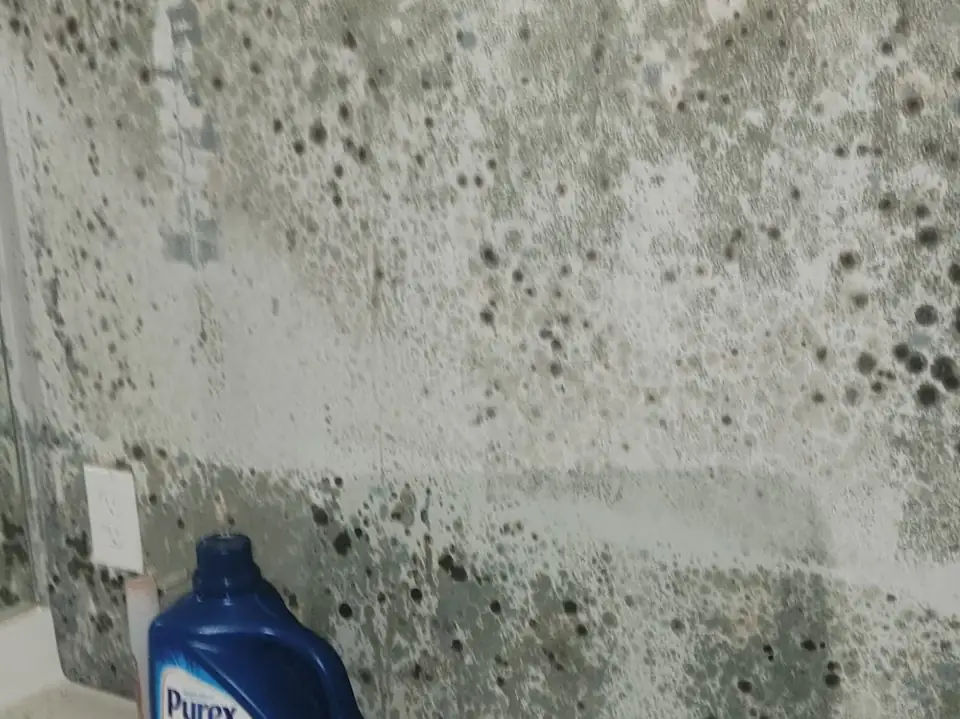
Georgia makes it harder. Our air is humid for much of the year, so a bathroom here starts damp before anyone turns the water on. A fan that might be enough in a dry climate often is not enough in Gwinnett or Forsyth in July.
Start with the complete guide: mold in your house, how to spot it, test it and get rid of it.
For a small patch, detergent, water and a good scrub remove mold from a bathroom ceiling, followed by drying the area completely. The EPA's Mold Cleanup in Your Home page says that if the moldy area is less than about 10 square feet, roughly a 3 foot by 3 foot patch, you can handle the job yourself in most cases.
That last step matters. The EPA notes that absorbent or porous materials, such as ceiling tiles, may have to be thrown away if they become moldy. Drywall paper behaves the same way. You cannot scrub mold out of a soggy ceiling panel. That section has to be cut out and replaced, which is a job for professional mold remediation.
Painting over the spots is the most common shortcut, and it does not work. Mold-resistant paint is fine on a clean, dry ceiling. Over live growth, it just hides it for a while.
Neither one is the real fix, because killing mold is not the same as removing it. The EPA's page Should I Use Bleach to Clean Up Mold? says using a biocide such as chlorine bleach is not recommended as a routine practice during mold cleanup, and that it is not enough to simply kill the mold. It must also be removed.
Dead mold on a ceiling can still bother people with allergies, and it still leaves a stain. That is why the EPA leads with scrubbing and drying, not spraying. If you do choose bleach on a hard surface, the CDC says to use no more than 1 cup of household laundry bleach in 1 gallon of water. Never mix bleach with ammonia or other cleaners, because the fumes are toxic.
| Option | What it does | The catch |
|---|---|---|
| Detergent and water | Lifts mold off the surface so you can wipe it away | Only works on surface growth, not mold inside soft drywall |
| White vinegar | A mild acid many people spray on light spotting | Adds moisture to the ceiling and still leaves dead mold behind |
| Diluted bleach | Lightens the stain on hard, sealed surfaces | EPA does not recommend it as routine; strong fumes in a small room |
| Professional remediation | Contains the area, removes damaged material, HEPA-filters the air | Needed for large areas or growth inside the ceiling |
So what is the best mold cleaner? Honestly, it is a dry ceiling. Any product will look like it worked for a week or two. If the spots come back in the same pattern, the cleaner was never the problem. The moisture is, and no spray changes that.
It comes back because the fan is too small, does not run long enough, vents to the wrong place, or water is reaching the ceiling from above. The Home Ventilating Institute's Bathroom Ventilation guidance says a fan should move 1 CFM per square foot for bathrooms up to 100 square feet, and should stay on 20 minutes after the bathroom is used.
Most people flip the fan off the moment they step out of the shower. That is when the room is wettest. A timer switch makes the 20 minute run automatic. A noisy, dusty old fan often moves far less air than its label says, too.
UGA Extension's checklist tells homeowners to confirm that kitchen and bathroom fans vent to the outside of the house. Some fans dump moist air straight into the attic, where it soaks the insulation above the bathroom ceiling.
In a lot of Gwinnett attics we go into, the bath fan duct has slipped off its exterior vent or was never connected at all. We also see HVAC ductwork running through hot attics right above bathroom ceilings. In a humid Georgia summer, a cold supply duct can sweat onto the drywall below it. From inside the bathroom, that looks exactly like shower mold.
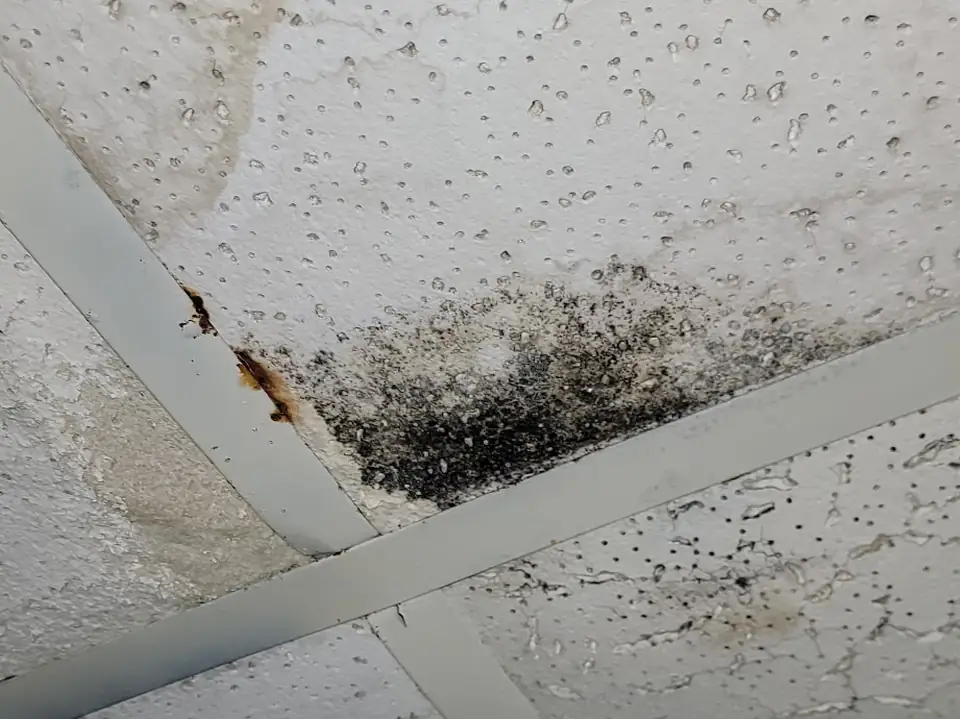
If there is a bathroom, a tub or a water heater on the floor above, a slow drip can keep the ceiling wet. Yellow or brown rings with mold inside them usually point to a leak, not steam. That needs water damage mitigation and drying before any cleaning will last.
Suwanee homeowners see this pattern a lot. The city grew from 2,412 people in the 1990 Census to 20,786 in the 2020 Census, so much of its housing went up during the 1990s and 2000s. If your home dates from that boom, the bath fan may be the original one, and its attic duct has had decades to sag or come loose. Our crew handles mold remediation in Suwanee from our shop right off Highland Station Drive.
Black spots on a bedroom ceiling are usually mold from condensation, a roof or attic moisture problem, or soot that only looks like mold. The EPA's Brief Guide notes that mold may be hidden on the back side of drywall, so spots you can see may be the edge of a bigger patch above.
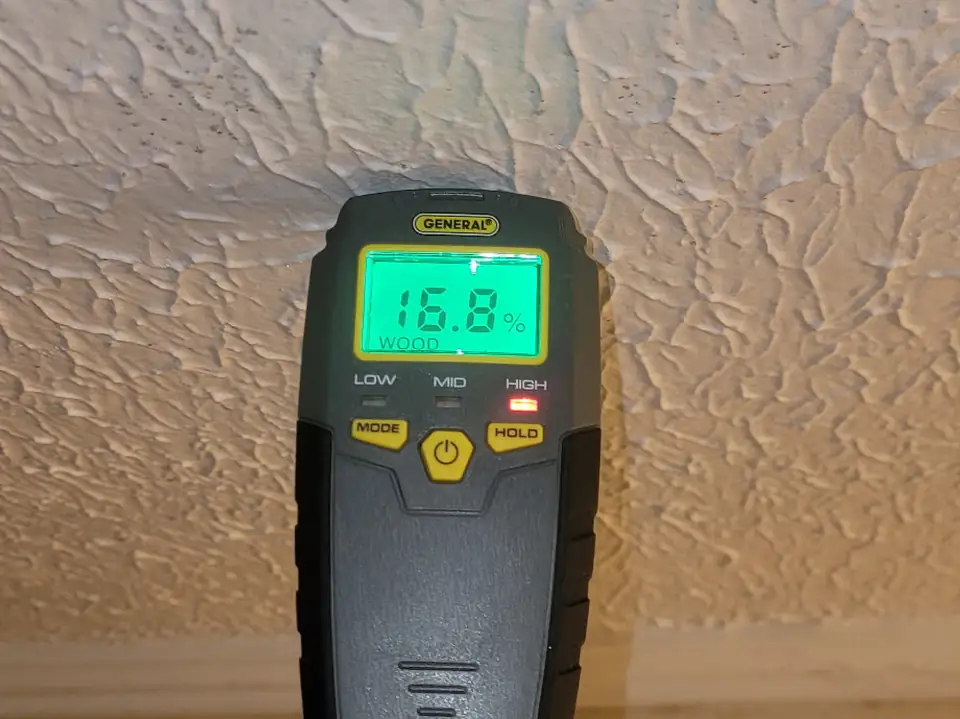
If you cannot tell which one you have, testing answers it. A moisture meter on the ceiling shows whether the drywall is still wet, which tells you the source is active. Our guide on how to test for mold in your house explains your options, and professional mold testing and inspection tells you what is growing and where the moisture is coming from.
Call a professional when the mold covers more than about 10 square feet, the drywall is soft or stained, the spots keep returning, or someone in the house has symptoms. The CDC says mold can cause a stuffy nose, sore throat, coughing or wheezing, burning eyes or a skin rash in some people.
The air in your bathroom is not separate from the rest of the house, either. In its Report on the Environment, the EPA says Americans spend about 90 percent of their time indoors. A moldy ceiling over the shower is something your family breathes around every day.
Fresh Cleaning Solutions is IICRC and NADCA certified and has served Gwinnett, Forsyth, North Fulton and the surrounding area since 2016. Our mold remediation is contained and HEPA-filtered, so spores stay in the work area while damaged material comes out. We find the moisture source, whether that is the fan, the attic or a leak, so the mold does not come back. Flat rates are quoted up front with no hidden fees, and every job is backed by our 100% satisfaction or your money back guarantee.
Tired of scrubbing the same spots? Call (678) 609-8713 any time, day or night, or book a free estimate and we will find out why it keeps coming back.
Free estimate with any service. Flat rates quoted up front. No hidden fees.
FAQ
It can be for some people. The CDC says mold can cause a stuffy nose, sore throat, coughing or wheezing, burning eyes or a skin rash, and people with asthma or mold allergies may react more strongly. A few small spots are a cleaning job. A large patch, soft drywall or symptoms in the house mean it is time for testing or remediation.
No. Paint hides mold, it does not remove it. Growth under paint keeps feeding on moisture and usually shows through again, often with peeling or bubbling. Clean the area with detergent and water, let it dry completely, fix the fan or leak, and only then paint with a mold-resistant bathroom paint.
The Home Ventilating Institute recommends leaving the fan on for 20 minutes after using the bathroom. A timer switch makes that automatic. The fan should also move about 1 CFM per square foot for bathrooms up to 100 square feet and vent outside, not into the attic.
The fan grille is where moist air collects on its way out, so a weak fan leaves condensation right around it. A fan that vents into the attic can also send damp air back toward the ceiling. Dust on the grille holds moisture too. Clean the grille, test the fan and check that its duct reaches an outside vent.
We are open 24 hours, 7 days a week, with same-day service available. Small, surface-only spots can often be handled in one visit. If the drywall is damaged, we contain the area, remove the affected material with HEPA filtration and fix the moisture source. You get a flat rate quoted up front before any work starts.
Related Services
Contained, HEPA-filtered removal of mold growth, and the moisture behind it fixed so it stays gone.
Learn more →
Air samples and a moisture check find hidden mold in walls, attics and ducts, with lab-backed results.
Learn more →
24/7 water extraction and drying that stops wet floors and walls from turning into mold.
Learn more →Keep Reading
October 24, 2026
How to test for mold in your house: look, measure moisture, then sample only when needed. The EPA says keep humidity under 60%. Here is the step-by-step way.
Read the guide →Book Online
Tell us your ZIP and what you need. We call back fast with your flat-rate quote, usually the same day.