What Do These Air Quality Terms Mean?
This glossary defines the terms you will hear during an air duct cleaning, dryer vent service, mold inspection or water damage job. Each definition is short and written for homeowners, with links to the service or guide that goes deeper.
A C D E F H I M N P R S T U V W
A
- Air Handler
- The indoor part of a central HVAC system that holds the blower fan, the evaporator coil and the filter. It pulls air in through the returns, conditions it and pushes it out through the supply ducts. Most North Atlanta homes have it in a closet, attic, basement or crawl space.
- Air Scrubber
- A portable machine that pulls room air through a HEPA filter. Crews run air scrubbers during mold remediation and water damage drying to catch spores and dust stirred up by the work.
C
- Category 1, 2 and 3 Water
- The industry scale for how contaminated water is after a leak or flood. Category 1 is clean water, such as a broken supply line. Category 2 carries some contamination, such as washer or dishwasher overflow. Category 3 is grossly contaminated, such as sewage or rising flood water, and needs more removal and cleaning.
- CO2 (Carbon Dioxide)
- A gas people breathe out. Indoors, a high CO2 reading is a sign that a room is not getting enough fresh air, which is why air quality tests measure it. It is different from carbon monoxide, a poisonous gas from burning fuel.
- Condensate Drain Line
- The pipe that carries water away from the air conditioner's evaporator coil. When it clogs, water backs up into the drain pan and can overflow, which leads to water damage, musty smells and mold near the air handler.
- Containment
- Plastic sheeting and controlled airflow that seal off a work area during mold remediation, so spores do not spread into the rest of the house while damaged materials are removed.
- Crawl Space Encapsulation
- Sealing a crawl space with a heavy vapor barrier on the floor and walls, closing the outside vents and controlling humidity, usually with a dehumidifier. It keeps damp ground air from rising into the house and the ducts.
D
- Dehumidifier (Whole House)
- A dehumidifier tied into the home's ductwork or installed in a crawl space that removes moisture for the whole house. Holding indoor humidity around 45 to 50 percent makes it hard for mold and dust mites to grow.
- Dryer Transition Duct
- The short connector between the back of the clothes dryer and the vent pipe in the wall. Thin foil or plastic transitions crush easily and trap lint; rigid or semi-rigid metal is the safer choice.
- Dryer Vent Hood
- The cover on the outside wall or roof where dryer air exits. Its flap should open when the dryer runs and close when it stops. Lint, bird nests and stuck flaps at the hood are common causes of long drying times.
E
- Efflorescence
- A white, powdery salt deposit left on concrete or block walls when water moves through them and evaporates. It is often mistaken for white mold; it is not mold, but it shows moisture is getting in.
- Evaporator Coil
- The cold coil inside the air handler that cools and dries the air. Dust and moisture on the coil can grow mold and send a musty smell through the vents, which is why coil cleaning is part of fixing air quality.
F
- Flex Duct
- Round, flexible ductwork made of a wire coil wrapped in plastic and insulation, common in attics. It collects dust inside its ridges and can sag or kink, which cuts airflow.
H
- HEPA Filter
- A high-efficiency particulate air filter that captures very small particles, including dust, pollen and mold spores. HEPA-filtered negative-air machines keep the dust from a duct cleaning from coming back into the home.
I
- IICRC
- The Institute of Inspection, Cleaning and Restoration Certification, the body that sets standards and certifies technicians for carpet cleaning, water damage restoration and mold remediation.
M
- MERV Rating
- A 1 to 16 scale that rates how well an HVAC air filter catches particles. A higher MERV filter catches smaller particles but can restrict airflow if the system was not built for it.
- Moisture Meter
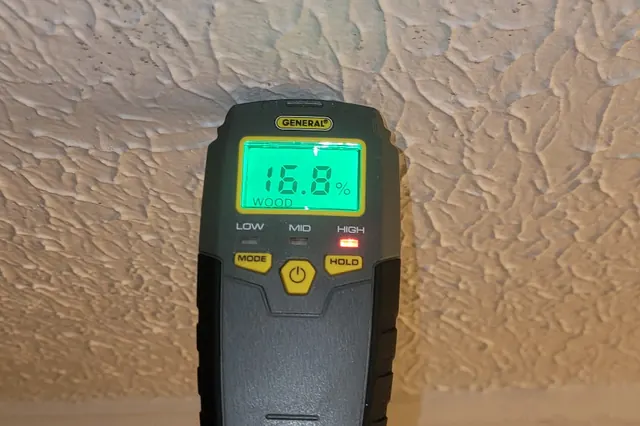
- A handheld tool that reads how wet drywall, wood or ceiling material is. Moisture readings show where water is hiding behind a surface and help find the source of a mold problem.
- Mold Remediation
- Removing mold growth and the materials it has damaged, cleaning what can be saved and fixing the moisture that caused it, so the mold does not come back.
- Mold Testing
- Taking air or surface samples to find out whether mold spores are present and how much, especially when mold is suspected but cannot be seen. It is different from a mold inspection, which is the hands-on search for moisture and growth.
N
- NADCA
- The National Air Duct Cleaners Association, the trade group that sets the standard for cleaning HVAC ductwork and certifies air duct cleaning companies and technicians.
- Negative Air (Negative Pressure)
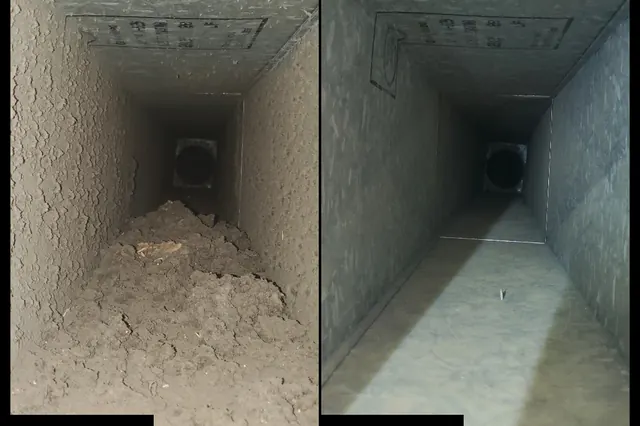
- Setting up a powerful vacuum on the duct system so air and dust are pulled toward the machine, not pushed into the house. It is the core of a proper air duct cleaning.
P
- Plenum
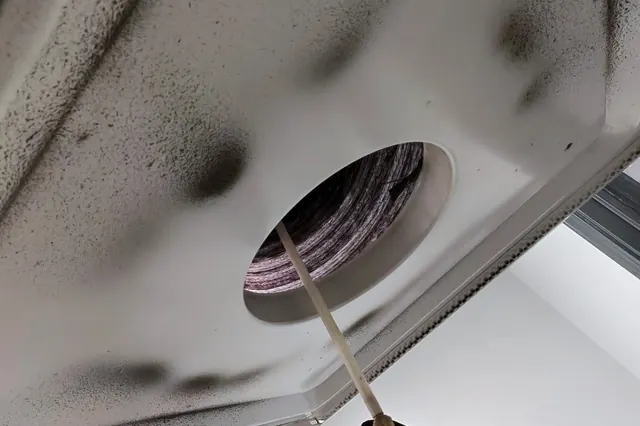
- The large box where the air handler connects to the main supply or return ducts. Dust and debris often collect in the plenum, so it is cleaned along with the duct runs.
- PM2.5
- Fine particles 2.5 micrometers across or smaller, small enough to get deep into the lungs. Smoke, cooking and outdoor pollution add to PM2.5 indoors, and air quality tests measure it.
R
- Relative Humidity
- How much moisture the air holds compared with the most it could hold at that temperature, shown as a percentage. Indoors, keeping it roughly between 30 and 50 percent helps prevent mold and dust mites.
- Return Vent
- The larger grille that pulls air from the room back to the air handler. Returns usually hold the filter and collect the most dust, so they are cleaned along with the supply side.
S
- Supply Vent
- The vent or register that blows conditioned air into a room. Dust or dark spots around a supply vent can point to dirty ducts or condensation.
T
- Trunk Line
- The main, usually rectangular duct that runs from the air handler and feeds the smaller branch ducts to each room.
U
- UV-C Light
- Ultraviolet light installed inside the air handler, aimed at the coil and drain pan, to keep mold and bacteria from growing on those damp surfaces.
V
- Vapor Barrier
- A plastic sheet laid over the dirt floor of a crawl space to slow moisture coming up from the ground. A full encapsulation seals the barrier to the walls and piers.
- VOCs (Volatile Organic Compounds)
- Gases given off by paints, cleaners, new furniture, carpet and other household products. Air quality tests measure total VOCs because some can irritate the eyes, nose and throat.
W
- Water Damage Mitigation
- The fast first response to a leak or flood: stopping the water, extracting it, drying the structure with air movers and dehumidifiers and checking moisture, to stop damage and mold before repairs start.
Want help with any of these? Read about air duct cleaning, mold testing, air quality testing and water damage mitigation, browse our air quality guides, or call (678) 609-8713 for a free estimate.