
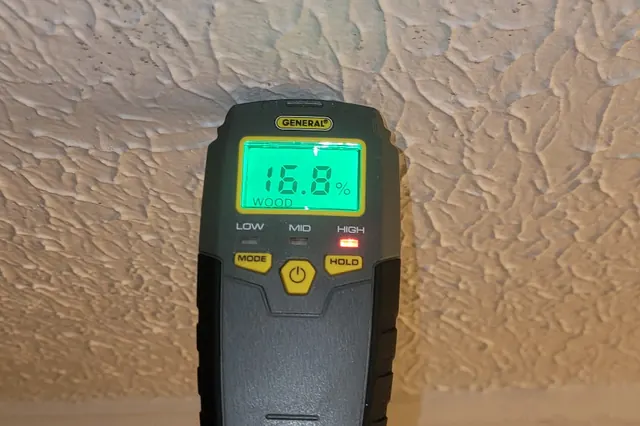
Mold Testing & Inspection
Air samples and a moisture check find hidden mold in walls, attics and ducts, with lab-backed results.
Learn more →Air Quality Guide · November 7, 2026
A moldy smell is your house telling you something is wet. This step-by-step guide shows you how to track the odor to its source, room by room.
By David ThrowerOwner, Fresh Cleaning Solutions · NADCA certified · Suwanee, GA since 2016

Key Takeaways
Yes. A mold smell in your house is often the first sign of growth, long before you see a single spot. The EPA's page What Does Mold Smell Like? explains that molds give off gases called microbial volatile organic compounds, or mVOCs, which cause the musty odor. The EPA says a moldy odor suggests mold is growing and should be investigated.
Most people describe it as musty, earthy, damp or like an old basement. Some say it smells like wet cardboard or dirty laundry left in the washer. It tends to be strongest in closed-up rooms, first thing in the morning and on rainy days.
The smell often shows up before any visible sign. In A Brief Guide to Mold, Moisture and Your Home, the EPA says you may suspect hidden mold if a building smells moldy but you cannot see the source. It names places like the back side of drywall, wallpaper and paneling. That is why the smell is worth chasing down instead of covering up.
This guide is about tracking a moldy smell anywhere in the house. If the odor is new, faint and you are not sure it is mold at all, our guide on how to test for mold in your house walks through your testing options.
Start with the complete guide: mold in your house, how to spot it, test it and get rid of it.
You find the source by following the smell to its strongest point, then looking for the water that feeds it. UGA Extension's Mold and Moisture Home Inspection Checklist, reviewed in 2023, says that anywhere you smell a musty, earthy odor or see excess moisture, there is potential for mold growth.
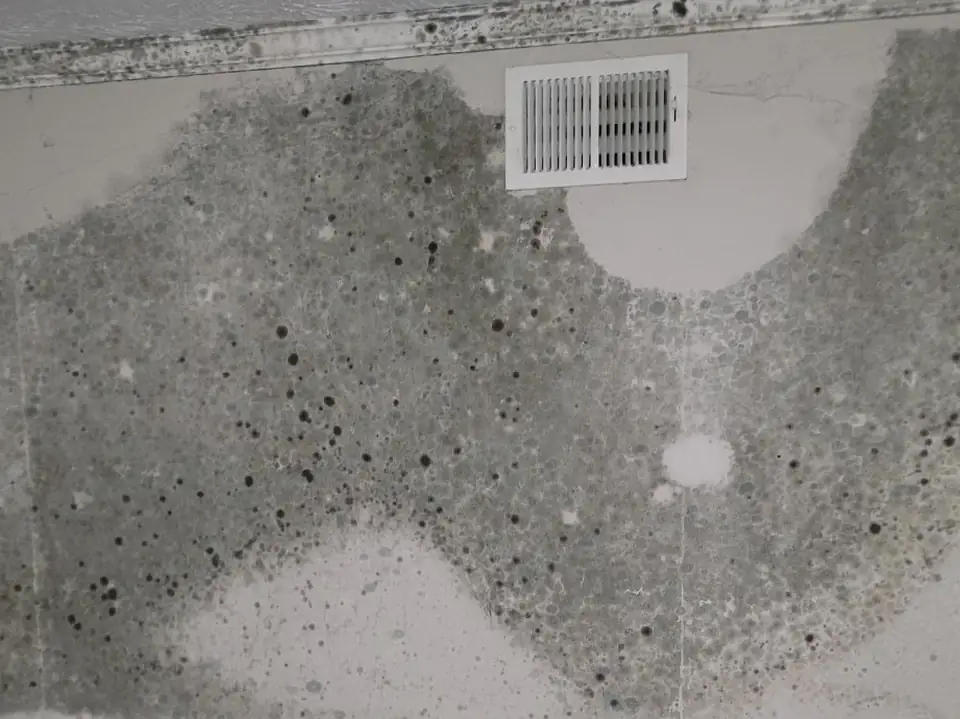
Write down where and when the smell is worst. A pattern like "only the guest bath, only after rain" narrows things down fast. A professional inspection uses that same information, plus moisture readings, to pin the source.
Most mold smells come from a small number of wet spots: slow leaks, damp crawl spaces or basements, wet carpet pad, and the HVAC system. The EPA's mold guide says it is impossible to get rid of all mold spores indoors, so the goal is finding and fixing the moisture that lets them grow.
| Where the smell is strongest | Most likely source | What to check |
|---|---|---|
| Bathroom | Shower steam, a weak fan or a leak behind the tile | Ceiling, caulk lines, the cabinet under the sink |
| Kitchen | Slow drip under the sink, dishwasher or fridge line | Cabinet floor, the wall behind the fridge |
| Laundry room | Washer hose leak or a damp drum and gasket | The floor behind the washer, the door seal |
| Closet or bedroom on an outside wall | Condensation on a cold wall with no air movement | Behind stored boxes, wall corners, under windows |
| Basement or lower level | Groundwater through block walls, high humidity | Block walls, carpet pad, stored cardboard |
| Whole house, worse near the floor | Damp crawl space air rising into the home | Vapor barrier, standing water, wet insulation |
| Only when the HVAC runs | Damp coil, drain pan or ductwork | Drain pan, filter, the air at the supply vents |
If a ceiling below a bathroom smells musty, it is often the same moisture problem we cover in our guide to mold on the bathroom ceiling.
In a lot of North Atlanta homes we inspect, the smell people chase upstairs actually starts below the floor. Georgia's red clay holds water, many crawl spaces have torn or missing vapor barriers, and that damp air works its way up into living space. UGA's checklist says a crawl space should have, at a minimum, a 6 to 8 mil plastic vapor barrier covering the soil. When it does not, crawl space encapsulation is usually the long-term fix.
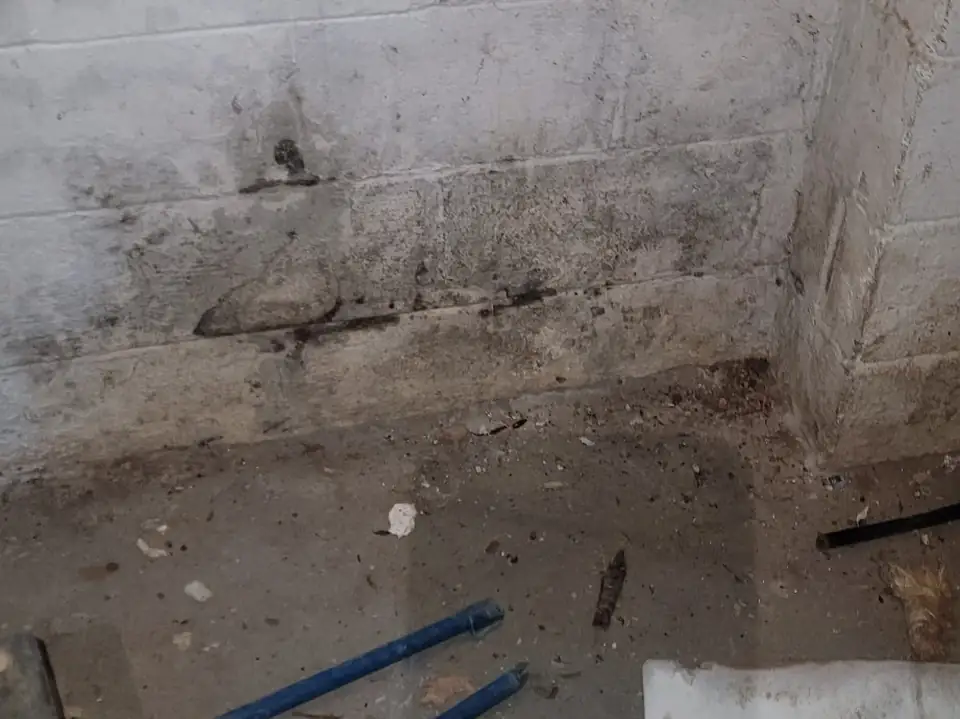
A room smells stale when damp air sits still, so moisture collects in carpet, fabric and wall corners and starts to grow mildew. The EPA's Mold Cleanup in Your Home page notes that places that are often or always damp can be hard to keep free of mold, and closed guest rooms, closets and lower levels get the least air movement in the house.
Guest bedrooms with the door shut and the vent closed are classic. So are closets on outside walls, where a cold wall surface gathers condensation behind hanging clothes. Rooms over a crawl space or garage often smell worse than the rest of the house too.
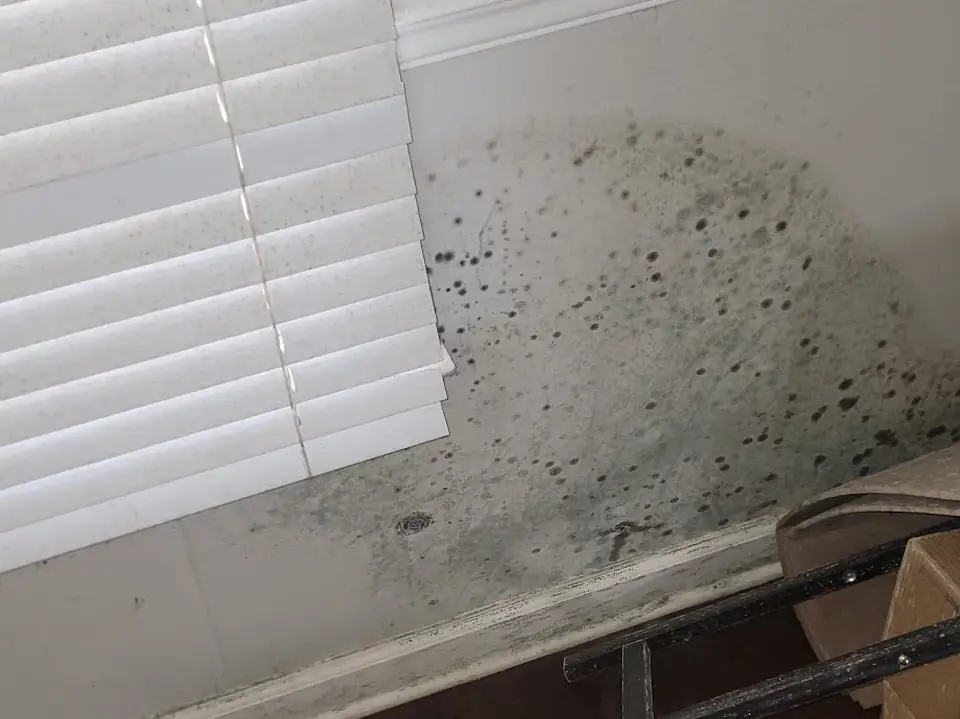
Start simple. Open the vent, leave the door open and run a fan for a few days. If the room still smells damp with good airflow and normal humidity, the moisture is coming from somewhere specific, and it is time to look harder.
Cumming homes have their own version of this. Cumming is the county seat and the only incorporated city in Forsyth County, and it sits near Lake Lanier, which Buford Dam created in the 1950s. Homes with basements and lower levels, which sit partly below ground, tend to run damper than the floors above. If a downstairs room in your home smells musty, start there. We offer mold testing in Cumming with same-day appointments available.
No. A mildew smell will not go away on its own as long as the moisture behind it is still there. The EPA says it is important to dry water-damaged areas and items within 24 to 48 hours to prevent mold growth. Past that window, growth keeps producing odor until you remove it and dry the area.
Call when you smell mold but cannot find it, when it follows a leak or flood, or when people in the house feel worse at home. The EPA links mVOC exposure to headaches, nasal irritation, dizziness, fatigue and nausea. The CDC adds that mold can cause a stuffy nose, coughing, wheezing, burning eyes or a skin rash.
The air at home adds up. In its Report on the Environment, the EPA says Americans spend about 90 percent of their time indoors, where some pollutants are often 2 to 5 times higher than typical outdoor levels.
Fresh Cleaning Solutions is IICRC and NADCA certified and has served Gwinnett, Forsyth, North Fulton and the surrounding area since 2016. Our mold testing and inspection tells you what is growing and where the moisture is coming from, so you fix the right thing the first time. We are open 24 hours, 7 days a week, with flat rates quoted up front, no hidden fees.
Smelling mold but cannot find it? Call (678) 609-8713 or book a free estimate and we will track it down.
Free estimate with any service. Flat rates quoted up front. No hidden fees.
FAQ
Most people describe it as musty, earthy or damp, like an old basement, wet cardboard or laundry left too long in the washer. The EPA says the odor comes from microbial volatile organic compounds, gases that mold gives off as it grows. It is usually strongest in closed rooms, near the floor and on rainy days.
Yes, and that is common. The EPA says you may suspect hidden mold when a building smells moldy but you cannot see the source. Growth often sits on the back side of drywall, under carpet, behind cabinets or in a crawl space. Mold testing and a moisture inspection can find it without tearing into walls blindly.
Find and fix the moisture first, then dry the area and clean or remove anything that grew mold. Keep indoor humidity under 50 percent, which the CDC recommends. If the smell comes from the vents, have the system cleaned and sanitized. Air fresheners only hide the odor while the source keeps growing.
It can affect your health. The EPA links the gases mold gives off to headaches, nasal irritation, dizziness, fatigue and nausea, and the CDC says mold can trigger coughing, wheezing and burning eyes in sensitive people. The smell also means something in the home is staying wet, which can damage drywall, wood and flooring over time.
We offer same-day service and are open 24 hours, 7 days a week. Most homes need one inspection visit to pinpoint where the odor and moisture are coming from. You get clear findings and a flat rate quoted up front for any fix, with no hidden fees.
Related Services
Air samples and a moisture check find hidden mold in walls, attics and ducts, with lab-backed results.
Learn more →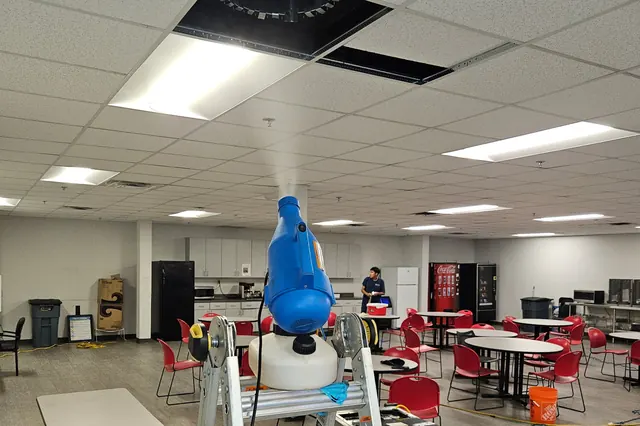
EPA-registered sanitizer fogged through the system for pet, smoke and musty odors.
Learn more →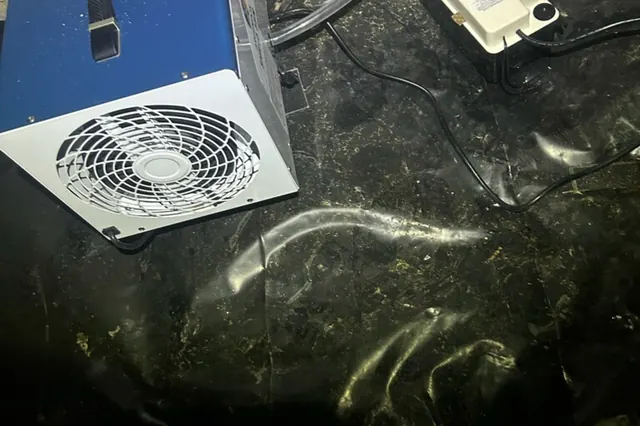
A sealed, lined crawl space stops damp, musty air from rising into your home and your ducts.
Learn more →Keep Reading
Book Online
Tell us your ZIP and what you need. We call back fast with your flat-rate quote, usually the same day.