
Mold Testing & Inspection
Air samples and a moisture check find hidden mold in walls, attics and ducts, with lab-backed results.
Learn more →Air Quality Guide · October 24, 2026
Most mold questions get answered with your eyes, your nose and a cheap humidity meter. Here is the right order to test, what a kit can and cannot tell you, and when to call a pro.
By David ThrowerOwner, Fresh Cleaning Solutions · NADCA certified · Suwanee, GA since 2016

Key Takeaways
To test for mold in your house, start with a room-by-room visual and smell check, then measure humidity and moisture, and only then decide whether you need samples. Most homes get a clear answer from the first two steps. Lab sampling is for hidden growth, health questions or proof that a problem is gone.
That order surprises people, because the hardware store sells mold kits right next to the paint. But the U.S. EPA's page Mold Testing or Sampling says that in most cases, if visible mold growth is present, sampling is unnecessary. You already know you have mold. What you need to know is why it is there and how far it goes.
There is a second reason. The same EPA page states there are no EPA regulations or standards for airborne mold contaminants. With no federal limit, a number on a lab report cannot tell you whether your home passes or fails. It only becomes useful when someone compares it to outdoor air and to the moisture story in the house.
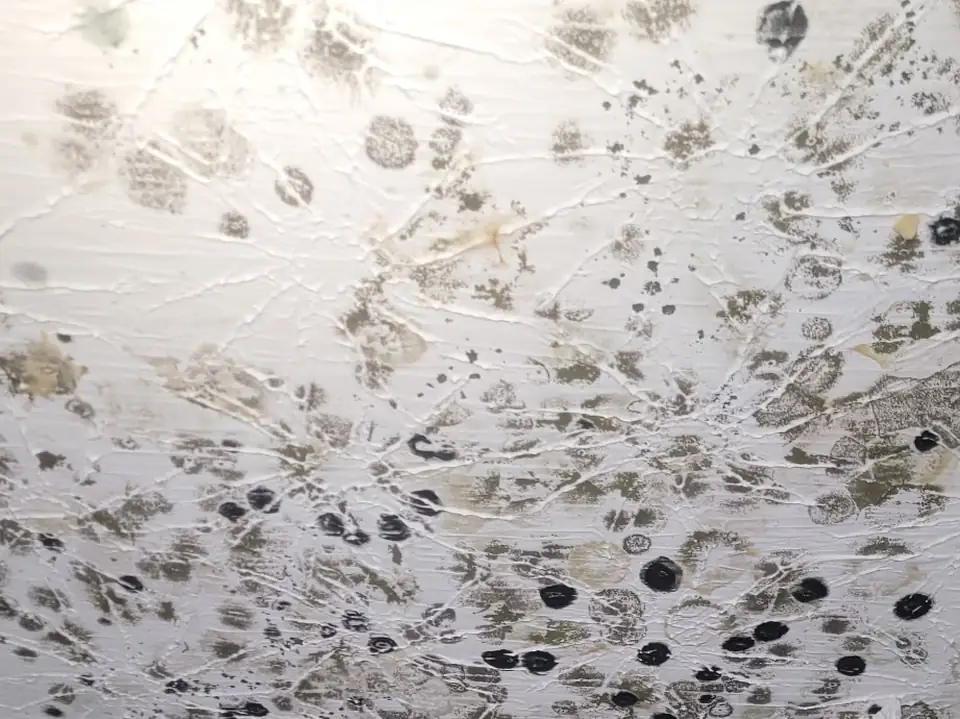
Think of mold testing as a moisture hunt with a mold report attached. Mold spores float in every home, indoors and out. Growth only happens where water stays. So the most useful "test" you can run is finding the wet spot.
Start with the complete guide: mold in your house, how to spot it, test it and get rid of it.
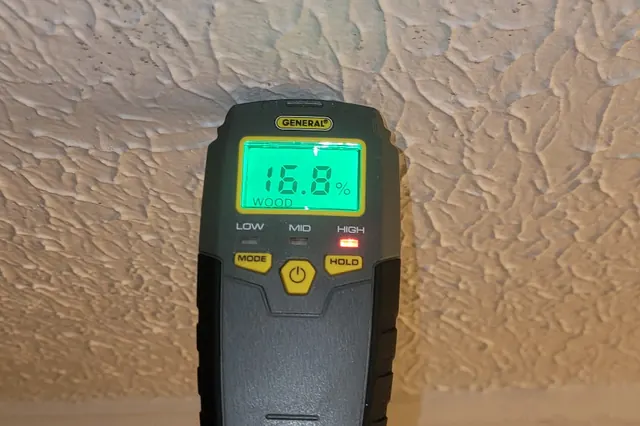
A careful homeowner can do a solid first check in about an hour. The EPA's A Brief Guide to Mold, Moisture and Your Home, last updated in February 2026, advises keeping indoor humidity below 60 percent, ideally between 30 and 50 percent, and notes an inexpensive humidity meter can measure it. That meter is the best tool you can buy.
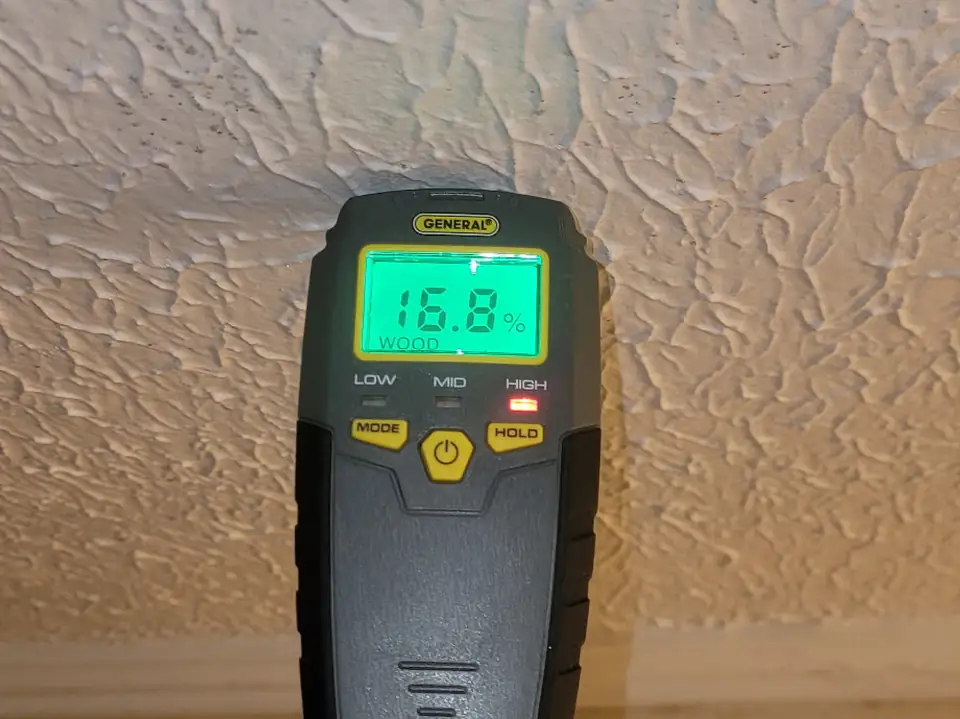
Do not scrape, sand or spray anything during this check. Disturbing a moldy patch puts spores into the air you are trying to judge.
A store mold kit is usually a settle plate: a dish of growth medium you open, leave out for a set time, then seal and watch. In its 2024 page Mold, the CDC says plainly that it does not recommend mold testing, because health effects vary by person and there are no set standards for acceptable mold levels in a home.
If you still want to use one, follow the box exactly. Close windows and doors for several hours first, set the plate at table height in the room you are curious about, and note the time. Then seal it and keep it at room temperature for the days the kit lists.
The catch is that almost every plate grows something. Spores are in outdoor air too, and they drift inside every time a door opens. A plate full of colonies does not prove a hidden problem, and a clean plate does not rule one out. Kits that send a sample to a lab give a species name, but the CDC's Facts About Stachybotrys chartarum says all molds should be treated the same for health risks and removal.
| Method | What it tells you | Where it falls short |
|---|---|---|
| Visual and smell check | Where growth is and which rooms to focus on | Cannot see inside walls, ducts or under floors |
| Hygrometer (humidity meter) | Whether the air holds enough moisture to feed mold | Does not find a single leak or wet spot |
| Store settle plate kit | That spores are in the air, which is true in every home | No federal standard to compare against; no source location |
| Professional mold inspection and sampling | Moisture sources, hidden growth, indoor versus outdoor spore comparison | Takes a scheduled visit |
The EPA adds that sampling should be done by professionals with experience designing sampling plans, using methods from groups like AIHA and ACGIH. That is the line between a kit and a real answer.
Call a pro when you smell mold but cannot find it, when a patch is larger than about 10 square feet, or when someone in the home has asthma or a weak immune system. The EPA's moisture guide uses that 10 square foot line, roughly a 3 by 3 foot area, as the limit for homeowner cleanup.
Our mold testing and inspection looks for the water first, maps the growth and samples only where sampling answers a real question. If you want the bigger picture on the air itself, our standalone air quality testing measures particles, humidity, VOCs and CO2.
Here at home base, the calls we get for mold testing in Suwanee often come from finished basements and closets on outside walls. Suwanee grew from about 2,400 residents in 1990 to 20,786 in the 2020 census, so a lot of its homes are 1990s and 2000s builds, many on sloped lots with basements. Those lower levels sit against damp Georgia soil, and that is often where the testing story starts.
Late summer is the peak outdoors, but in Georgia mold never fully takes a season off. The American Academy of Allergy, Asthma and Immunology's page Outdoor Allergens says U.S. mold spores peak in July in warmer states and can be found year-round in the South.
Indoors, the worst time is whenever moisture sits. NOAA's 2022 Georgia State Climate Summary describes a climate of long, hot and humid summers and short, usually mild winters. That means months of AC condensation at the coil, sweating ducts in attics and crawl spaces, and damp lower levels.
Heating season brings its own clue. When the furnace starts in fall, warm air moves across surfaces that stayed damp all summer, and a musty smell finally reaches the living room. If you test in October or November, check the HVAC closet and vents along with the usual wet rooms.
Pine pollen season in spring is a separate problem. Yellow dust on the car is pollen, not mold, though both can set off allergies at the same time.
Yes, almost always. The fix is moisture control plus proper removal. The EPA's Mold Cleanup in Your Home, updated in June 2026, says to fix leaks and water problems as soon as possible and dry everything completely, and that porous materials like ceiling tiles and carpet may have to be thrown away if they become moldy.
Hard surfaces such as tile, metal and sealed wood can be cleaned. Soaked drywall and insulation usually get cut out and replaced. The Institute of Medicine's 2004 report Damp Indoor Spaces and Health found sufficient evidence linking damp indoor spaces to upper respiratory symptoms, cough and wheeze, which is why the job is worth doing right.
Once testing shows what you are dealing with, mold remediation sets up containment and HEPA filtration so spores do not travel to clean rooms. Then the moisture source gets fixed, often with a whole-house or crawl space dehumidifier that holds 45 to 50 percent.
A house is rarely "ruined" by mold. It is ruined by mold that keeps getting water. Fix the water and the house comes back.
Fresh Cleaning Solutions is IICRC and NADCA certified and has served North Atlanta from Suwanee since 2016, with a flat rate quoted up front and no hidden fees. Call (678) 609-8713, open 24 hours, or book a free estimate and we will tell you what is growing and why.
Free estimate with any service. Flat rates quoted up front. No hidden fees.
FAQ
Close windows and doors for a few hours, open the settle plate at table height in the room you are checking, leave it for the time on the box, then seal it and wait. Know the limit: almost every plate grows something because spores are everywhere, and the EPA says there are no federal standards for airborne mold to compare against.
Outdoors, mold spores peak in July in warmer states, according to the American Academy of Allergy, Asthma and Immunology, and they are found year-round in the South. Indoors in Georgia, the worst stretch is the long humid summer and the first weeks of heating season, when damp ducts and coils start pushing musty air.
A doctor or allergist can test whether you are allergic to mold. The American College of Allergy, Asthma and Immunology says allergists use skin or blood tests to pinpoint the allergy. The CDC notes there is no test that proves a link between a specific mold like Stachybotrys and particular symptoms, so testing the home and the person answer different questions.
Yes. Fix the water source, dry the structure and remove what cannot be cleaned. The EPA says porous materials like ceiling tiles and carpet may need to be thrown away if moldy, while hard surfaces can be scrubbed clean. Contained remediation plus humidity control at 30 to 50 percent brings most homes back.
Usually not. The EPA says that in most cases, if visible mold growth is present, sampling is unnecessary. What you need then is an inspection that finds the moisture source and shows how far the growth has spread, especially behind walls, under floors and in the HVAC system.
Related Services
Air samples and a moisture check find hidden mold in walls, attics and ducts, with lab-backed results.
Learn more →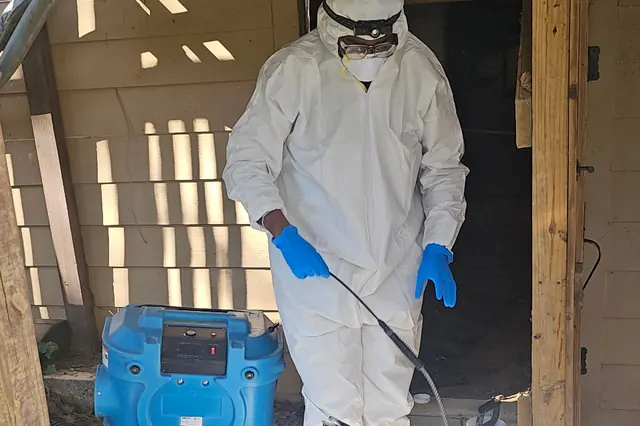
Contained, HEPA-filtered removal of mold growth, and the moisture behind it fixed so it stays gone.
Learn more →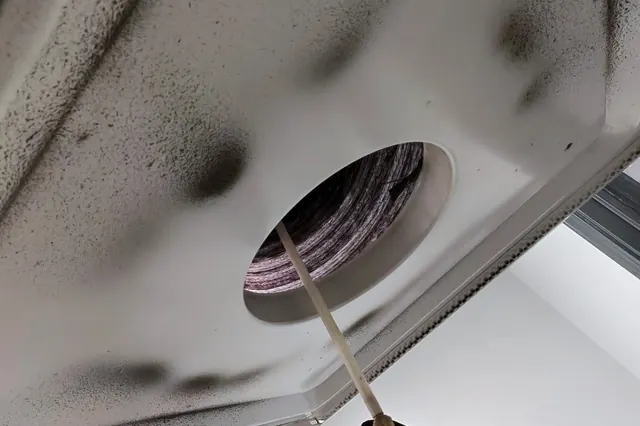
We measure dust, humidity, VOCs, CO2 and particles room by room, so you know what is in your air and what to fix.
Learn more →Keep Reading
Book Online
Tell us your ZIP and what you need. We call back fast with your flat-rate quote, usually the same day.