
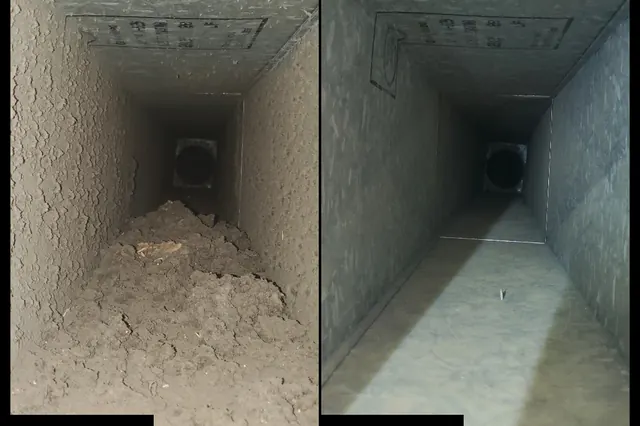
Air Duct Cleaning
Every supply and return line cleaned under HEPA-filtered negative pressure, $199 per system. Add your dryer vent for $99.
Learn more →Air Quality Guide · November 17, 2026
You dust on Saturday and it's back by Tuesday. Here's where that dust really comes from in North Atlanta homes, and the fixes that actually keep it down.
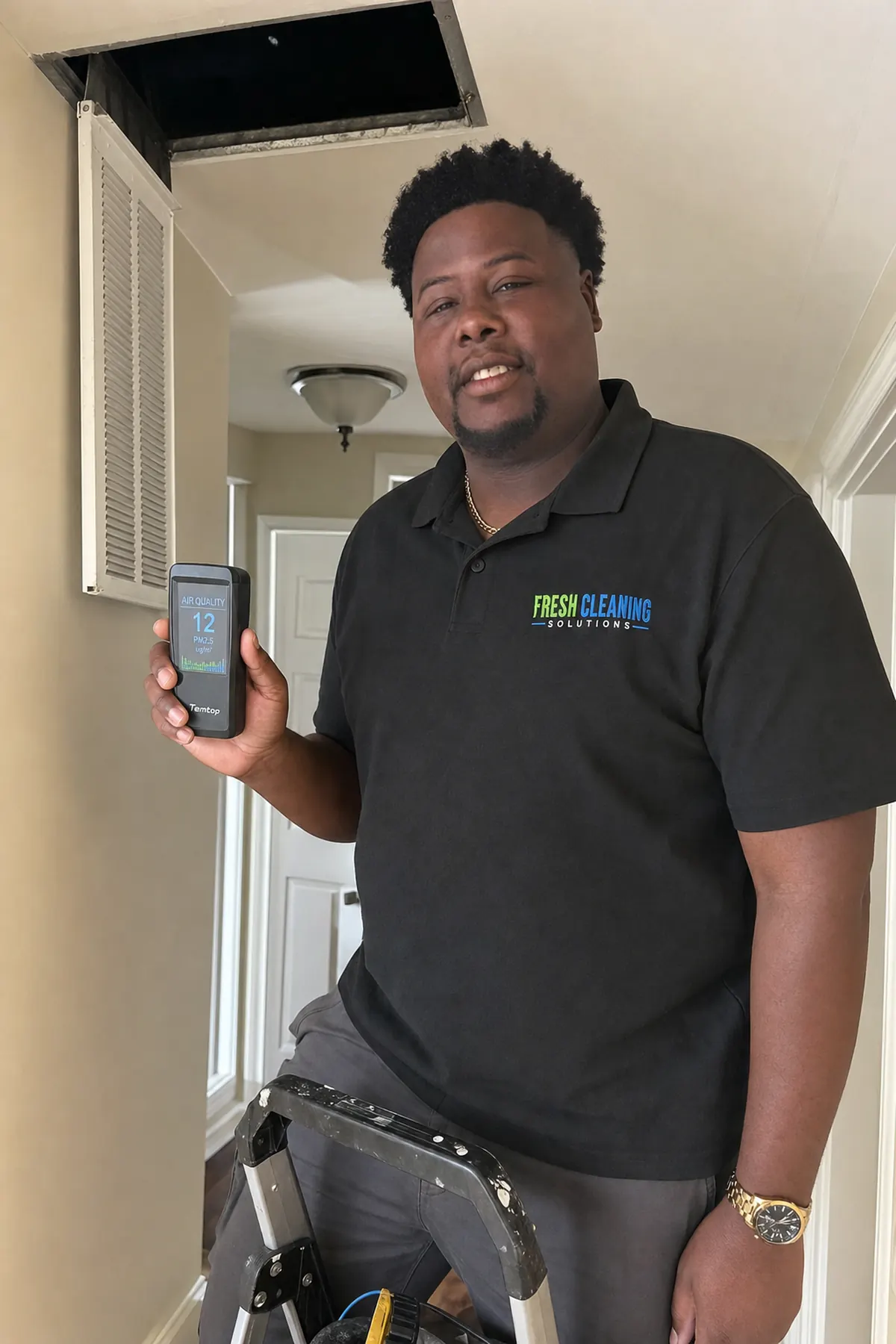
By David ThrowerOwner, Fresh Cleaning Solutions · NADCA certified · Suwanee, GA since 2016

Key Takeaways
If you're asking why is my house so dusty, the usual answer is that dust is coming in from outside and your HVAC system keeps moving it around. Most homes have two or three sources stacking up at once: outdoor dirt and pollen, a filter that can't catch fine particles, and dirty ductwork or carpet that releases dust every time something moves.
Dust is not just dirt. The American College of Allergy, Asthma and Immunology, in its Dust Allergy guide, says household dust can hold pet hair and dander, mold and pollen spores, and dust mite and cockroach droppings. That's why a dusty house often comes with sneezing, itchy eyes or a stuffy nose that gets better when you leave home.
It matters more than people think because of how much time we spend inside. As of 2026, the U.S. Environmental Protection Agency's guide The Inside Story: A Guide to Indoor Air Quality notes that people spend about 90 percent of their time indoors. Whatever is floating in your living room is what you breathe most of the day.
So where does it start? In 2009, the American Chemical Society reported on research published in Environmental Science & Technology, titled Migration of Contaminated Soil and Airborne Particulates to Indoor Dust. The researchers found that over 60 percent of house dust originates outdoors. It rides in on shoes, pets and open doors, and it leaks in through gaps around the house.
Here's the part most dusting tips miss. Wiping surfaces only removes dust that has already settled. If the source is still feeding dust into the air, you're on a treadmill. The fix is to find which sources your home has and shut them down, starting with the ones that run all day, like your heating and cooling system.
Outdoor dirt is the biggest single source, since over 60 percent of house dust starts outside, according to the 2009 American Chemical Society report. The rest comes from things inside your home. These are the seven causes we run into most often in Gwinnett, Forsyth and North Fulton homes.
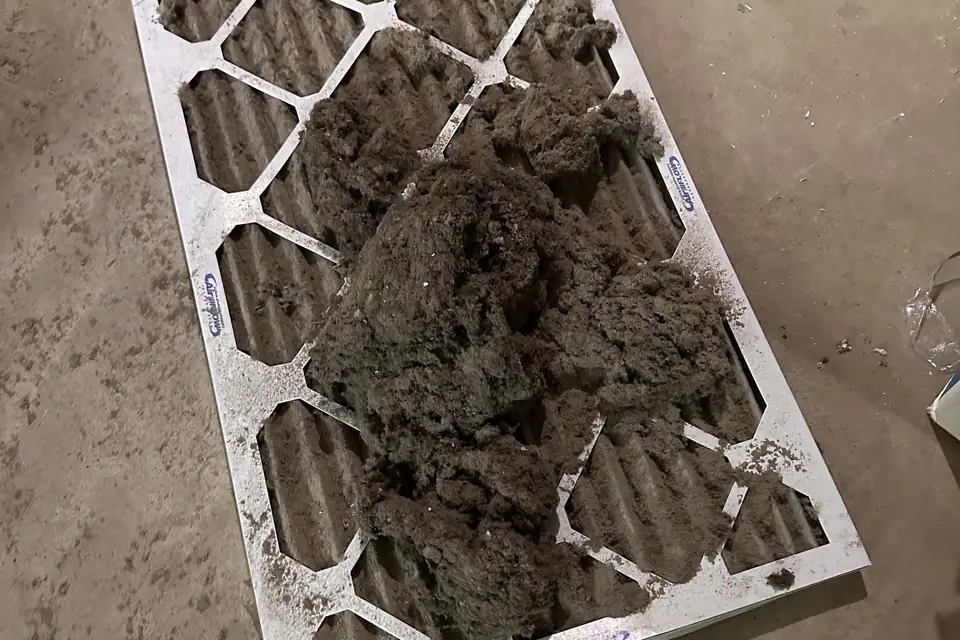
A thin fiberglass filter stops big lint and hair but lets fine dust sail through. A filter that's packed full can also let air bypass it around the edges.
Years of dust, pet hair and construction debris collect inside supply and return lines. When the system kicks on, some of it gets pushed back out of the vents. Our guide on how often to clean air ducts covers the timing.
Red clay, pollen and yard dirt come in on boots and paws. Dogs and cats also shed dander and hair year round.
Carpet acts like a big filter. That's good until it's full. After that, every step and every time someone sits on the couch kicks fine dust back up.
Lint that can't get outside ends up in the laundry room and drifts through the house. A loose connection behind the dryer is a common culprit.
During heating season, low humidity makes dust lighter and more static. It stays airborne longer and clings to screens and electronics.
Drywall dust is extremely fine. It gets pulled into the return vents and coats the inside of the ductwork, then comes back out for months.
Often, yes. As of 2026, the EPA's Guide to Air Cleaners in the Home tells homeowners to select a filter rated at least MERV 13, or as high as the system will accommodate. Many homes still run basic filters that miss the fine particles that settle as dust on furniture.
Your system moves all the air in the house many times a day. Every pass is a chance to catch dust or to spread it. Three things decide which one happens.
That last point is why a new filter sometimes doesn't fix the problem. If you notice dust puffing out when the system starts, gray buildup around the vent covers, or dust returning a day or two after cleaning, the ductwork is a likely source.
When we do air duct cleaning, the vents come off and every supply and return line gets cleaned with HEPA-filtered negative-air machines and rotary brushes. A typical home takes 2 to 4 hours, and you can add a dryer vent cleaning to any air duct cleaning for $99. Wondering if it pays off for your home? Read is air duct cleaning worth it.
The EPA's Guide to Air Cleaners in the Home recommends a filter rated at least MERV 13, or as high as the system allows, and notes most home systems can use MERV 13 with regular changes. A better filter stops new dust, but dust already inside the ductwork has to be cleaned out directly.
Georgia adds three local sources: spring pine pollen, red clay and humid summers. The American College of Allergy, Asthma and Immunology says dust mites prefer humidity of 75 to 80 percent and die when humidity falls below 50 percent. Long, sticky Georgia summers give them plenty of what they like.
Every spring, North Atlanta turns yellow. Pine pollen coats cars, decks and porches, and a lot of it comes inside on clothes and through open windows. It settles into carpet and gets pulled into the return vents, where it can sit long after the season ends.
Red clay is the other local problem. Once it dries, it breaks down into a fine reddish powder that tracks in from yards, driveways and job sites. You'll often see it as a rusty tint on baseboards near the back door.
Humidity cuts both ways here. In summer, damp air feeds dust mites in bedding, carpet and couches. In winter, when the heat runs, indoor air dries out and dust floats longer. The EPA's A Brief Guide to Mold, Moisture and Your Home recommends keeping indoor humidity below 60 percent, ideally between 30 and 50 percent. Staying in that band helps with both problems.
Crawl spaces matter too. Many Gwinnett and Forsyth homes sit over damp crawl spaces, and air from below can drift up into the living space. If your home also smells stale when the heat kicks on, see our guide on why your house smells musty when the heat comes on.
Start with the sources that run every day. ENERGY STAR's Maintenance Checklist says to check your HVAC filter monthly, and the EPA recommends MERV 13 where your system allows. Then clean out what has already built up in your ducts, dryer vent and carpet, and keep humidity in the healthy range.
| Sign you notice | Likely source | Fix |
|---|---|---|
| Dust puffs from vents when the system starts | Dirty ductwork | Air duct cleaning |
| Lint in the laundry room or behind the dryer | Clogged or loose dryer vent | Dryer vent cleaning |
| Dust rises when you walk or sit | Loaded carpet and upholstery | Carpet and upholstery cleaning |
| Sneezing indoors, sticky summer air | Dust mites and high humidity | Dehumidifier and deep cleaning |
| Not sure what's in the air | Unknown | Air quality testing |
The U.S. Fire Administration's 2012 report Clothes Dryer Fires in Residential Buildings estimated 2,900 residential dryer fires a year, with failure to clean the leading factor at 34 percent. A clogged dryer vent pushes lint into the home as dust and raises fire risk, so cleaning it solves two problems at once.
Not sure which source is driving your dust? Our standalone air quality testing measures particles, humidity, VOCs and CO2, so you know what you're dealing with before you spend time on fixes.
Tired of dusting the same shelves every few days? Fresh Cleaning Solutions has served North Atlanta since 2016, with flat rates quoted up front and no hidden fees. Call (678) 609-8713 or book a free estimate.
Free estimate with any service. Flat rates quoted up front. No hidden fees.
FAQ
Cleaning surfaces only removes dust that has already settled. If dust keeps coming back within a day or two, something is still feeding it into the air. The usual sources are a low-rated or overdue HVAC filter, dirty air ducts, loaded carpet and a clogged dryer vent. Fix those sources and dusting starts to last much longer.
Yes. Dust, pet hair and renovation debris build up inside supply and return lines over the years. When the system runs, some of it blows back out through the vents. Fresh Cleaning Solutions cleans every supply and return line with HEPA-filtered negative-air machines and rotary brushes, and most homes take 2 to 4 hours.
The EPA's Guide to Air Cleaners in the Home recommends a filter rated at least MERV 13, or as high as your system can accommodate. Most home systems can use MERV 13 if you change it on schedule. ENERGY STAR suggests checking your filter every month, especially during heavy heating and cooling seasons.
It does. Dry winter air keeps dust floating longer, and humid summer air feeds dust mites. The American College of Allergy, Asthma and Immunology says dust mites die when humidity falls below 50 percent. The EPA recommends keeping indoor humidity between 30 and 50 percent, which helps on both ends.
Fresh Cleaning Solutions recommends air duct cleaning every 3 to 5 years for most homes. Go sooner if you have pets, allergies, a recent renovation or musty smells. You can add a dryer vent cleaning to any air duct cleaning for $99, so both of the big hidden dust sources get handled in one visit.
Related Services
Every supply and return line cleaned under HEPA-filtered negative pressure, $199 per system. Add your dryer vent for $99.
Learn more →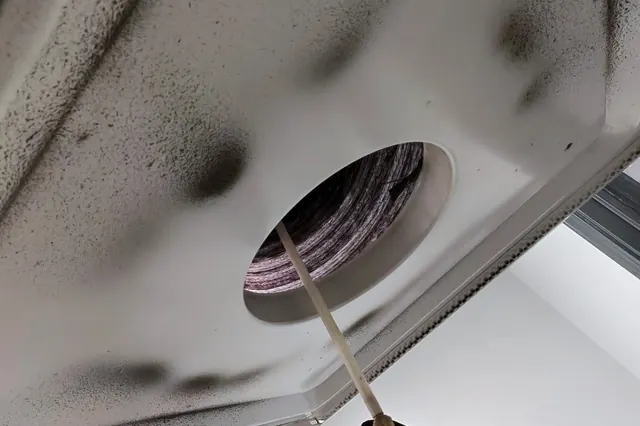
We measure dust, humidity, VOCs, CO2 and particles room by room, so you know what is in your air and what to fix.
Learn more →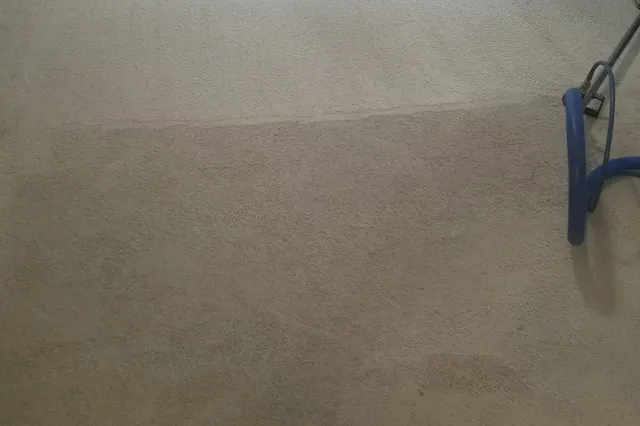
Carpet traps the same dust, pollen and dander your ducts move. We pull it out and leave it fresh, with free deodorizer and sanitizer.
Learn more →Keep Reading
November 3, 2026
Is air duct cleaning worth it? EPA says yes for mold, pests or heavy dust, and indoor air can run 2 to 5 times dirtier than outside. Here is how to decide.
Read the guide →October 20, 2026
How often to clean air ducts: every 3 to 5 years for most homes, sooner with pets or allergies. EPA says some indoor pollutants run 2 to 5 times higher inside.
Read the guide →Book Online
Tell us your ZIP and what you need. We call back fast with your flat-rate quote, usually the same day.