
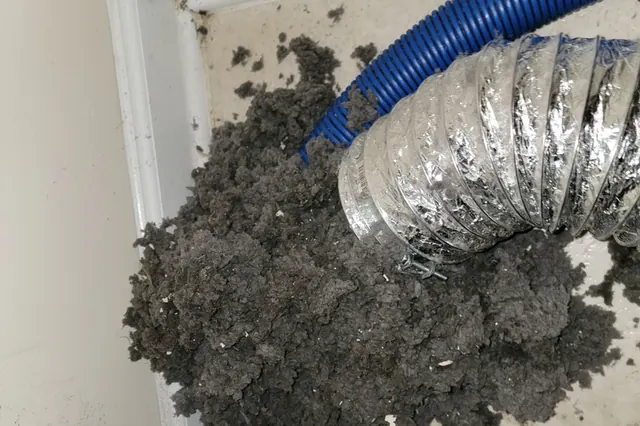
Dryer Vent Cleaning
Lint out, airflow back, fire risk down. Free with any air duct cleaning.
Learn more →Air Quality Guide · October 27, 2026
Long drying times, a hot laundry room and a lazy vent flap are not just annoyances. They are the early signs of a clogged dryer vent, and a clogged vent is how most dryer fires start.
By David ThrowerOwner, Fresh Cleaning Solutions · NADCA certified · Suwanee, GA since 2016

Key Takeaways
The main dryer vent fire signs are clothes that need more than one cycle to dry, a dryer or laundry room that runs unusually hot, a burning smell, lint gathering around the machine, and an outside vent flap that barely opens. Each one points to the same problem: hot, lint-heavy air is stuck inside your house instead of leaving it.
The numbers explain why this matters. In 2020, the National Fire Protection Association reported in its study Home Dryer Fires that U.S. fire departments responded to an estimated average of 13,820 home structure fires a year involving dryers from 2014 to 2018. Those fires caused an average of 7 civilian deaths and 344 civilian injuries every year.
One third of those fires, 32 percent, were caused by a failure to clean. NFPA notes this appears to be mainly lint buildup, since 27 percent of dryer fires started when dust, fiber or lint ignited. That is the part homeowners can control.
Timing matters too. A 2012 U.S. Fire Administration report, Clothes Dryer Fires in Residential Buildings (2008-2010), found dryer fires were more common in fall and winter, peaking in January at 11 percent. In North Atlanta, that lines up with heating season, when windows stay shut, loads get heavier with sweaters and blankets, and the dryer runs more often.
If you are seeing any of the signs below, it is a good time to book dryer vent cleaning before the cold months push your dryer harder.
In 2012, the U.S. Consumer Product Safety Commission put it plainly in its safety sheet Overheated Clothes Dryers Can Cause Fires: if clothing is still damp at the end of a typical cycle, or drying takes longer than normal, the lint screen or exhaust duct may be blocked. Here are the nine signs we tell homeowners to watch for.
Here is something most checklists miss. A dryer can pass the outside flap test and still be clogged. If the line has a tear or a loose joint inside a wall or attic, air escapes there instead of at the hood. The flap may move a little, but warm, damp, lint-filled air is being dumped into your framing. That is why a long drying time matters more than any single visual check.
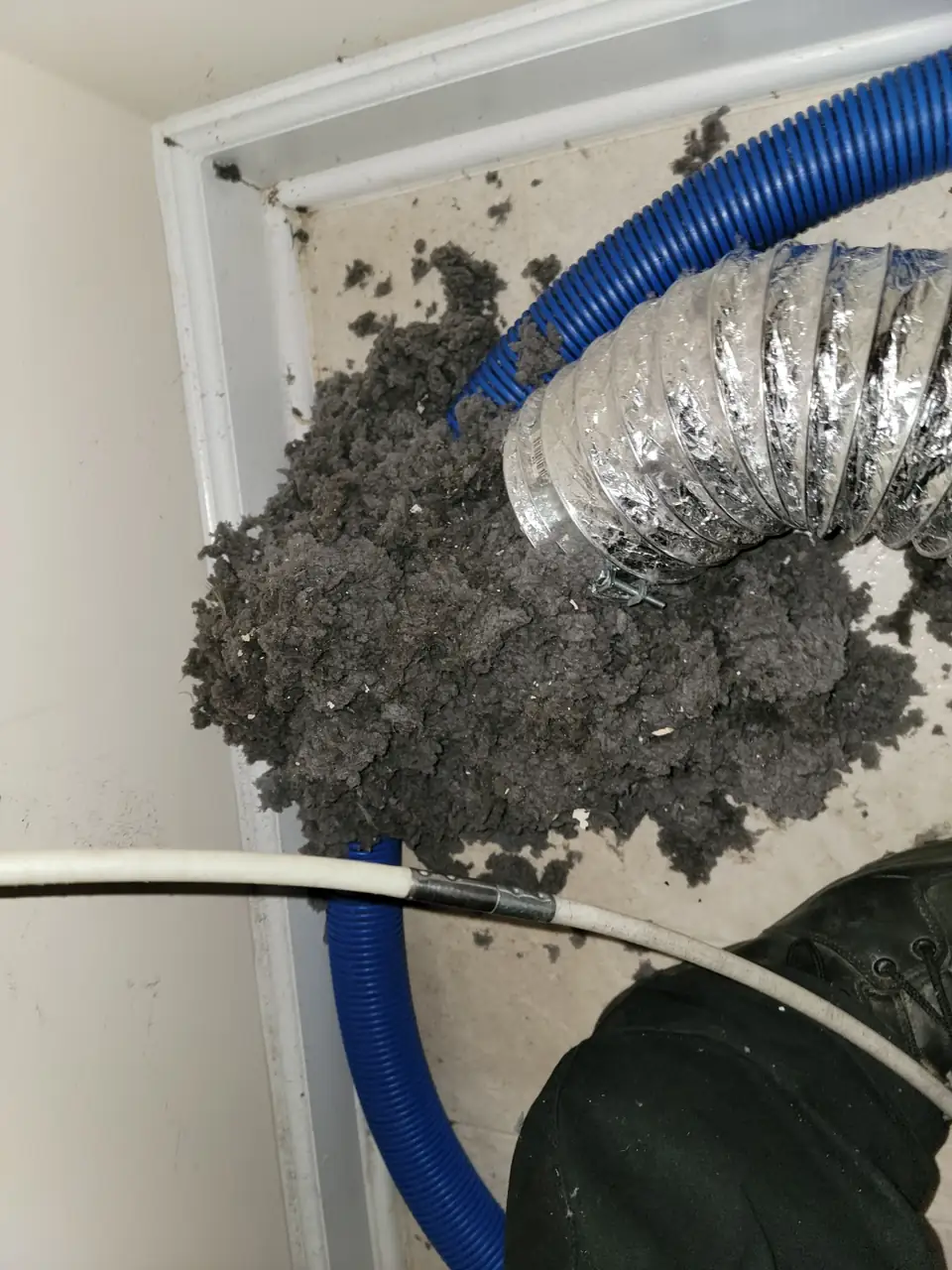
Lint is a highly combustible material, according to the U.S. Fire Administration's 2012 report Clothes Dryer Fires in Residential Buildings (2008-2010), and it builds up in both the dryer and the vent. That report found dust, fiber and lint were the item first ignited in 28 percent of residential dryer fires.
The same USFA report explains the chain. A full load of wet clothes can hold as much as one and a half gallons of water. As clothes tumble, they shed fibers. The lint screen catches most of them, but some ride out with the moist air and settle in the vent. Over time that layer narrows the pipe, airflow drops, heat rises, and the lint sitting in the hottest part of the system becomes fuel.
Blockages are not only lint. USFA also points to nests from small birds or other animals and damage to the venting itself. Any of those can keep the exhaust from leaving, and overheating can follow.
| Factor contributing to ignition | Share of home dryer fires |
|---|---|
| Failure to clean | 32% |
| Mechanical failure or malfunction | 27% |
| Electrical failure or malfunction | 16% |
| Heat source too close to combustibles | 6% |
| Equipment unattended | 3% |
Source: NFPA, Home Dryer Fires, June 2020, 2014 to 2018 annual averages.
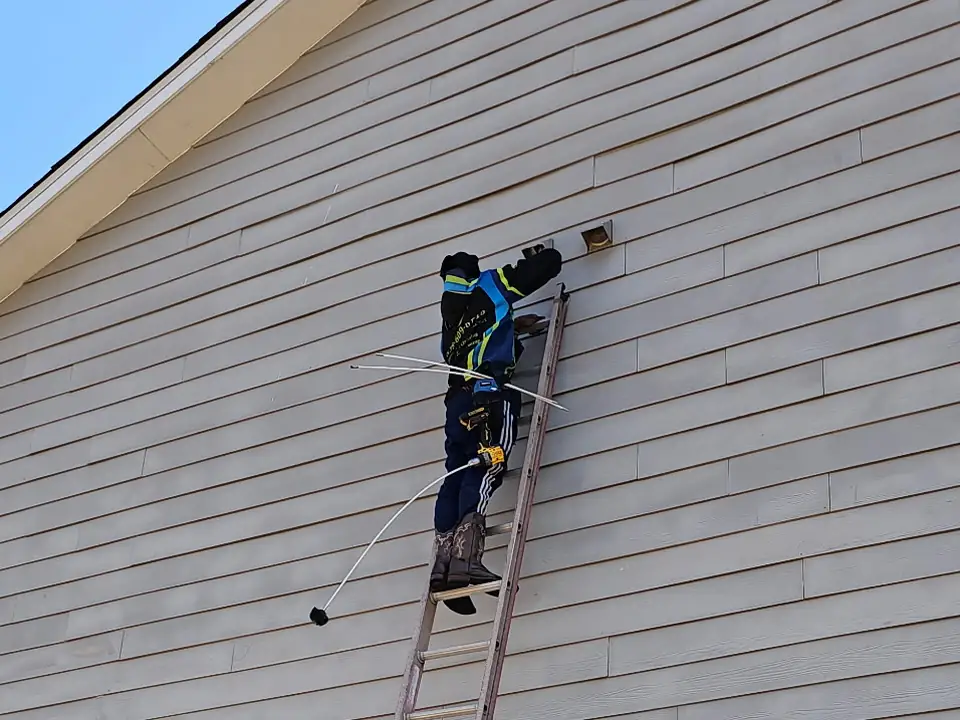
On the crew's side, the worst lines we see in Gwinnett and Forsyth are rarely the short ones. They are the newer homes with the laundry room upstairs, where the vent snakes through the attic or between floors with several turns before it reaches the roof or a side wall. Every turn is a place for lint to collect. Add North Georgia summer humidity, which makes loads run longer, and those long runs fill faster than homeowners expect.
Act the same week. In 2018, NFPA's Clothes Dryer Safety tip sheet named failure to clean the leading cause of home dryer fires and advised turning the dryer off if you leave home or go to bed. Those two habits buy time until the vent is cleaned.
If the duct is crushed, torn, too long or routed badly, cleaning alone will not fix it. That is where dryer vent repair and installation comes in: replacing the bad section, shortening the run where possible and fitting a hood that opens freely.
The CPSC's safety sheet Overheated Clothes Dryers Can Cause Fires says that clothing still damp after a typical cycle, or drying that takes longer than normal, may signal a blocked lint screen or exhaust duct. It also warns that flexible plastic or foil duct traps lint more easily and is more likely to kink or crush.
At least once a year. NFPA's Clothes Dryer Safety tip sheet says to clean lint out of the vent pipe once a year, or more often if clothes are taking longer than normal to dry, or to have a dryer lint removal service do it for you. Large families, pet owners and homes with long attic runs usually need it sooner.
A simple way to know your own schedule: time a normal load of towels right after a cleaning. When that same load starts taking noticeably longer, the line is filling again. That beats any calendar rule, because two homes on the same street can load a vent at very different rates.
At Fresh Cleaning Solutions, dryer vent cleaning takes about an hour for most homes. We clean the full line from the dryer connection to the exterior hood, clear any nests or debris at the outlet, and check that the flap opens and air moves the way it should. You get a flat rate quoted up front, with no hidden fees.
If your air ducts are due as well, we include a free dryer vent cleaning with every air duct cleaning. Not sure about duct timing? Our guide on how often to clean air ducts covers it. We serve Gwinnett, Forsyth, North Fulton, Dunwoody, Hall and Jackson counties, and you can see every town on our service areas page.
Seeing any of the nine signs? Call (678) 609-8713 or book a free estimate. We are open 24 hours, 7 days a week, with same-day service available.
Free estimate with any service. Flat rates quoted up front. No hidden fees.
FAQ
The first sign is usually drying time. If towels or jeans need a second cycle, airflow is restricted. The CPSC says damp clothes after a typical cycle may mean the lint screen or exhaust duct is blocked. Other early signs are a hot dryer top, lint behind the machine and a weak flap outside.
Yes. NFPA's 2020 report Home Dryer Fires found that failure to clean caused 32 percent of home dryer fires from 2014 to 2018. Lint is highly combustible, and when a blocked vent traps heat, the lint sitting in the line becomes fuel. Regular cleaning removes that fuel.
For most homes, Fresh Cleaning Solutions finishes dryer vent cleaning in about an hour. Long runs through an attic or between floors can take a bit longer. We clean from the dryer connection to the exterior hood and confirm air is moving freely before we leave.
It is a warning sign, so limit use until the vent is cleaned. Never run the dryer when you leave home or go to bed, as NFPA advises, and clean the lint filter every load. If you smell burning, stop the dryer and call for service right away.
In most cases, yes. The CPSC recommends replacing plastic or foil accordion duct with rigid or semi-rigid metal duct, because thin duct traps lint more easily and kinks or crushes more often. Most dryer manufacturers specify metal duct for proper airflow.
Related Services
Lint out, airflow back, fire risk down. Free with any air duct cleaning.
Learn more →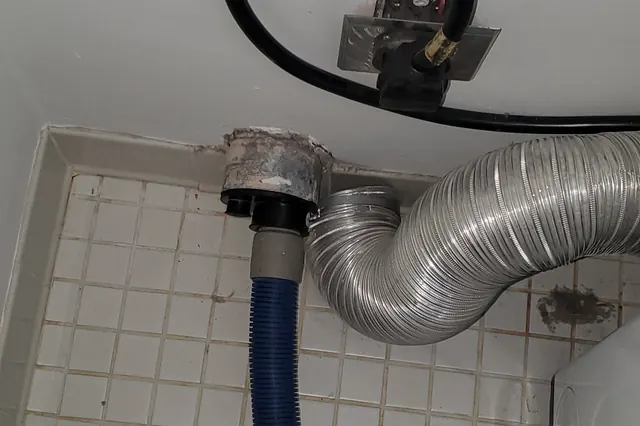
Crushed, disconnected or too-long vent runs rebuilt with rigid metal duct and a new exterior hood.
Learn more →Keep Reading
Book Online
Tell us your ZIP and what you need. We call back fast with your flat-rate quote, usually the same day.